Buy baptisten.eu ?
We are moving the project
baptisten.eu .
Are you interested in purchasing the domain
baptisten.eu ?
domain@kv-gmbh.de · 0541-91531010
Buy baptisten.eu ?
How should a traditional jacket or traditional blazer fit?
A traditional jacket or blazer should fit comfortably without being too tight or too loose. The shoulder seams should align with the edge of your shoulders, and the sleeves should end at your wrist bone. The jacket should be able to button comfortably without pulling or gaping, and the length should hit at the mid to lower hip. Overall, the fit should be tailored and structured, but still allow for ease of movement. **
Which traditional costume can be worn as German traditional attire?
One traditional costume that can be worn as German traditional attire is the Dirndl. The Dirndl is a dress that typically consists of a bodice, blouse, full skirt, and apron. It is commonly worn by women in southern Germany, Austria, and Switzerland during festivals, celebrations, and other special occasions. The Dirndl is often paired with traditional accessories such as a lace apron, a blouse with puffed sleeves, and a decorative bodice. **

Similar search terms for Traditional
Top-Angebote
Products related to Traditional:
-
Charming Traditional Nightstand"Compact size of 29""H x 21""W x 16""D fits perfectly Timeless traditional design complements any decor Durably crafted for long-lasting use and appeal Stylish gray finish blends well with other colors Generous drawer space for all your essentials"321,99 $*Shipping: 0,00 $Secure redirect to the provider


-
Which traditional costume can be worn as German traditional costume?
One traditional costume that can be worn as a German traditional costume is the Dirndl. The Dirndl is a traditional dress worn in southern Germany, Austria, and Switzerland. It typically consists of a bodice, blouse, full skirt, and apron. The Dirndl is often worn for special occasions such as Oktoberfest and other traditional festivals in Germany. **
-
What are traditional religions?
Traditional religions are belief systems that have been practiced for generations within a specific culture or community. These religions often have ancient origins and are passed down through rituals, teachings, and customs. Traditional religions typically involve a belief in a higher power or powers, a moral code, and a set of practices for worship and spiritual connection. Examples of traditional religions include Hinduism, Buddhism, Judaism, Christianity, and Islam. **
-
Are traditional crafts disappearing?
Traditional crafts are indeed at risk of disappearing due to various factors such as modernization, globalization, and changing consumer preferences. Many younger generations are not pursuing these crafts as careers, leading to a decline in the number of skilled artisans. Additionally, mass production and cheaper alternatives are making it difficult for traditional crafts to compete in the market. Efforts are being made to preserve and promote these crafts through initiatives like cultural heritage programs and artisan cooperatives. **
-
Homeschooling or traditional school?
The decision between homeschooling and traditional school depends on various factors such as the child's learning style, social needs, and parental availability. Homeschooling allows for personalized learning and flexibility, while traditional school provides social interaction and a structured environment. Parents should consider their child's individual needs and preferences when deciding between homeschooling and traditional school. **


What does traditional mean?
Traditional typically refers to customs, beliefs, or practices that have been passed down through generations and are considered to be the established way of doing things within a particular culture or society. It often implies a sense of continuity and adherence to long-standing values or norms. Traditional can also refer to something that is characteristic of a particular time period or historical era. **
Is traditional masculinity harmful?
Traditional masculinity can be harmful as it often promotes rigid gender roles that can limit men's emotional expression and lead to toxic behaviors such as aggression and dominance. This can have negative impacts on men's mental health and relationships. Encouraging men to conform to traditional masculine norms can also perpetuate harmful stereotypes and contribute to gender inequality. However, it is important to recognize that masculinity itself is not inherently harmful, but rather the societal expectations and pressures associated with traditional masculinity can be damaging. **
Top-Angebote
Products related to Traditional:
-
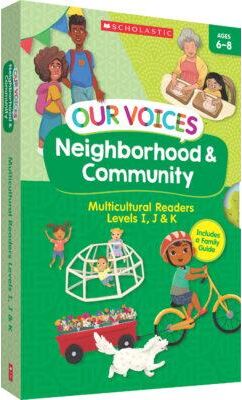
Our Voices: Neighborhood & Community Boxed SetFoster a feeling of belonging while building key reading skills with these colorful storybooks that spotlight a variety of neighborhoods and communities. The 10 charming stories feature characters from different cultural backgrounds who learn about...32,37 $*Shipping: 0,00 $Secure redirect to the provider
-
Nagdi Suleman Discovering Through Death - Beliefs and Practices - Non Fiction - PaperbackTitle:. Discovering Through Death - Beliefs and Practices Condition: BRAND NEW. Format: Paperback Overview:. Discovering Through Death - Beliefs and Practices invites readers into a thoughtful, interdisciplinary exploration of how cultures interpret mortality and mark farewell. This paperback offers clear, accessible prose that unwraps complex ideas without jargon. It examines why societies ritualize death, how mourning shapes communities, and how beliefs influence end-of-life decisions in everyday life. Spanning historical sources and contemporary practices, the book weaves anthropology, religious studies, psychology, and ethics to present a nuanced panorama of dying cultures around the world. Expect concise, well-structured chapters, each accompanied by key terms and reflective prompts that encourage personal engagement rather than passive reading. The author presents case studies—from quiet village rites to urban memorial ceremonies—to illuminate both universal themes and striking differences. For students, caregivers, nurses, clergy, and curious readers, this guide offers practical insights: how rituals provide meaning, how conversations about death improve care, and how to approach sensitive topics with respect. The tone is scholarly yet approachable, never sensational, inviting readers to examine their own beliefs while building empathy for others. Design elements such as boxed sidebars, glossary terms, and reading prompts make it an ideal companion for coursework, reading groups, or solo study. By the final chapter, you’ll have a framework for understanding death not as a distant incident, but as a deeply human process that unites us across cultures. What Makes This Book Stand Out:. Unlike many introductions, Discovering Through Death grounds theory in everyday practice. The author threads cross-cultural comparisons with accessible explanations of ritual meanings, grief processes, and ethical questions around death and dying. It is not a sterile survey; it invites readers to consider how beliefs inform caregiving, policy, and personal decisions. The inclusion of real-world case studies helps readers imagine themselves in different cultural contexts, while digestible summaries at the end of each chapter reinforce learning. A thoughtfully compiled glossary demystifies terms such as eschatology, ritual transition, and bereavement; sidebars offer quick takeaways for students, teachers, or busy professionals. The narrative pace balances curiosity with empathy, encouraging reflective reading and discussion. Whether you’re studying for a course, supporting someone at end of life, or simply seeking a broader understanding of mortality, this book provides a reliable, respectful lens that can be revisited chapter by chapter. Who This Book Is Perfect For:. Perfect for undergraduates and postgraduates studying anthropology, religious studies, sociology, or medical humanities; professionals in palliative care, nursing, social work, and chaplaincy;...99,99 £*Shipping: 0,00 £Secure redirect to the provider
-
Charming Traditional Nightstand"Compact size of 29""H x 21""W x 16""D fits perfectly Timeless traditional design complements any decor Durably crafted for long-lasting use and appeal Stylish gray finish blends well with other colors Generous drawer space for all your essentials"321,99 $*Shipping: 0,00 $Secure redirect to the provider
-
How should a traditional jacket or traditional blazer fit?
A traditional jacket or blazer should fit comfortably without being too tight or too loose. The shoulder seams should align with the edge of your shoulders, and the sleeves should end at your wrist bone. The jacket should be able to button comfortably without pulling or gaping, and the length should hit at the mid to lower hip. Overall, the fit should be tailored and structured, but still allow for ease of movement. **
-
Which traditional costume can be worn as German traditional attire?
One traditional costume that can be worn as German traditional attire is the Dirndl. The Dirndl is a dress that typically consists of a bodice, blouse, full skirt, and apron. It is commonly worn by women in southern Germany, Austria, and Switzerland during festivals, celebrations, and other special occasions. The Dirndl is often paired with traditional accessories such as a lace apron, a blouse with puffed sleeves, and a decorative bodice. **
-
Which traditional costume can be worn as German traditional costume?
One traditional costume that can be worn as a German traditional costume is the Dirndl. The Dirndl is a traditional dress worn in southern Germany, Austria, and Switzerland. It typically consists of a bodice, blouse, full skirt, and apron. The Dirndl is often worn for special occasions such as Oktoberfest and other traditional festivals in Germany. **
-
What are traditional religions?
Traditional religions are belief systems that have been practiced for generations within a specific culture or community. These religions often have ancient origins and are passed down through rituals, teachings, and customs. Traditional religions typically involve a belief in a higher power or powers, a moral code, and a set of practices for worship and spiritual connection. Examples of traditional religions include Hinduism, Buddhism, Judaism, Christianity, and Islam. **
Similar search terms for Traditional
-
Are traditional crafts disappearing?
Traditional crafts are indeed at risk of disappearing due to various factors such as modernization, globalization, and changing consumer preferences. Many younger generations are not pursuing these crafts as careers, leading to a decline in the number of skilled artisans. Additionally, mass production and cheaper alternatives are making it difficult for traditional crafts to compete in the market. Efforts are being made to preserve and promote these crafts through initiatives like cultural heritage programs and artisan cooperatives. **
-
Homeschooling or traditional school?
The decision between homeschooling and traditional school depends on various factors such as the child's learning style, social needs, and parental availability. Homeschooling allows for personalized learning and flexibility, while traditional school provides social interaction and a structured environment. Parents should consider their child's individual needs and preferences when deciding between homeschooling and traditional school. **
-
What does traditional mean?
Traditional typically refers to customs, beliefs, or practices that have been passed down through generations and are considered to be the established way of doing things within a particular culture or society. It often implies a sense of continuity and adherence to long-standing values or norms. Traditional can also refer to something that is characteristic of a particular time period or historical era. **
-
Is traditional masculinity harmful?
Traditional masculinity can be harmful as it often promotes rigid gender roles that can limit men's emotional expression and lead to toxic behaviors such as aggression and dominance. This can have negative impacts on men's mental health and relationships. Encouraging men to conform to traditional masculine norms can also perpetuate harmful stereotypes and contribute to gender inequality. However, it is important to recognize that masculinity itself is not inherently harmful, but rather the societal expectations and pressures associated with traditional masculinity can be damaging. **
* All prices are inclusive of VAT and, if applicable, plus shipping costs. The offer information is based on the details provided by the respective shop and is updated through automated processes. Real-time updates do not occur, so deviations can occur in individual cases. ** Note: Parts of this content were created by AI.