Buy baptisten.eu ?
We are moving the project
baptisten.eu .
Are you interested in purchasing the domain
baptisten.eu ?
domain@kv-gmbh.de · 0541-91531010
Buy baptisten.eu ?
Which metals are ferrous metals?
Ferrous metals are metals that contain iron, such as steel and cast iron. These metals are known for their strength and durability, making them commonly used in construction, manufacturing, and automotive industries. Ferrous metals are also magnetic and have good conductivity, making them versatile for various applications. **
What are precious metals and base metals?
Precious metals are rare, naturally occurring metallic elements that have high economic value. Examples of precious metals include gold, silver, and platinum. These metals are often used in jewelry, investment, and industrial applications. On the other hand, base metals are more common metallic elements that are not as valuable as precious metals. Examples of base metals include copper, zinc, and nickel. These metals are widely used in construction, manufacturing, and electrical applications. **

Similar search terms for Metals
Top-Angebote
Products related to Metals:
-
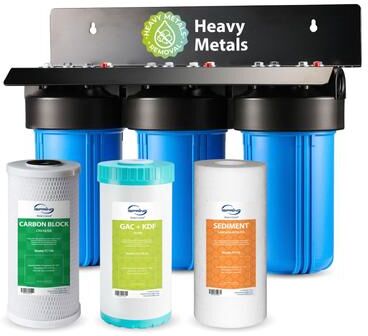
iSpring WGB31B-KS Whole House Water Filter System, Reduces Heavy Metals, Lead, Chlorine, Chloramine, Sediments"Reliable 3-Stage Whole House Water Filtration – This whole house water filter system features a 10"" x 4.5"" sediment filter, a GAC KDF compound filter, and a high-quality carbon block filter to effectively reduce sediments, chlorine, heavy metals,…"371,99 $*Shipping: 0,00 $Secure redirect to the provider
-
iSpring F3WGB31BKS Whole House Water Filter Replacement Pack, Reduces Heavy Metals, Lead, Hydrogen Sulfide, Chlorine, SedimentsReliable 3-Stage Whole House Water Filter – This whole house water filter repleacement set includes a 10” x 4.5” sediment filter (FP15B), a GAC KDF compound filter (FG15B-KS), and a high-quality carbon block filter (FC15B) to effectively reduce...164,99 $*Shipping: 0,00 $Secure redirect to the provider

-
Why can base metals precipitate noble metals?
Base metals can precipitate noble metals through a process called cementation. This occurs because base metals have a higher reactivity compared to noble metals. When a base metal is in contact with a solution containing a noble metal ion, the base metal will oxidize and release electrons, causing the noble metal ion to be reduced and form a solid precipitate on the surface of the base metal. This allows for the separation and recovery of noble metals from a solution containing a mixture of different metals. **
-
Why are alkali metals called alkali metals?
Alkali metals are called alkali metals because they form alkaline solutions when they react with water. When alkali metals such as lithium, sodium, and potassium come into contact with water, they produce hydroxide ions, which make the solution alkaline. This property of forming alkaline solutions is the reason why they are called alkali metals. **
-
Why are all elements of the transition metals metals?
All elements of the transition metals are metals because they share common characteristics such as being good conductors of heat and electricity, having high melting and boiling points, and being malleable and ductile. These properties are due to the presence of loosely held electrons in their outermost energy levels, which allows them to easily lose electrons and form positive ions. Transition metals also have a high density and luster, further contributing to their classification as metals. **
-
Can metals burn?
Yes, metals can burn under certain conditions. When exposed to high enough temperatures, some metals can react with oxygen in the air and undergo a process called combustion, resulting in the formation of metal oxides and the release of heat and light. For example, magnesium and titanium are known to burn in air when heated to high temperatures. However, not all metals are easily combustible, and the conditions required for them to burn vary depending on the specific metal. **

What do alkali metals and alkaline earth metals have in common?
Alkali metals and alkaline earth metals are both groups of elements found on the left side of the periodic table. They are both highly reactive metals that readily lose electrons to form positive ions. Additionally, both groups have low melting and boiling points, making them soft and easily malleable. Alkali metals and alkaline earth metals are essential for various industrial and biological processes due to their unique chemical properties. **
What is the difference between alkali metals and alkaline earth metals?
Alkali metals are the elements found in Group 1 of the periodic table, while alkaline earth metals are found in Group 2. Alkali metals are more reactive than alkaline earth metals due to their lower ionization energy. Alkali metals have one electron in their outermost shell, while alkaline earth metals have two electrons in their outermost shell. **
Top-Angebote
Products related to Metals:
-
Which metals are ferrous metals?
Ferrous metals are metals that contain iron, such as steel and cast iron. These metals are known for their strength and durability, making them commonly used in construction, manufacturing, and automotive industries. Ferrous metals are also magnetic and have good conductivity, making them versatile for various applications. **
-
What are precious metals and base metals?
Precious metals are rare, naturally occurring metallic elements that have high economic value. Examples of precious metals include gold, silver, and platinum. These metals are often used in jewelry, investment, and industrial applications. On the other hand, base metals are more common metallic elements that are not as valuable as precious metals. Examples of base metals include copper, zinc, and nickel. These metals are widely used in construction, manufacturing, and electrical applications. **
-
Why can base metals precipitate noble metals?
Base metals can precipitate noble metals through a process called cementation. This occurs because base metals have a higher reactivity compared to noble metals. When a base metal is in contact with a solution containing a noble metal ion, the base metal will oxidize and release electrons, causing the noble metal ion to be reduced and form a solid precipitate on the surface of the base metal. This allows for the separation and recovery of noble metals from a solution containing a mixture of different metals. **
-
Why are alkali metals called alkali metals?
Alkali metals are called alkali metals because they form alkaline solutions when they react with water. When alkali metals such as lithium, sodium, and potassium come into contact with water, they produce hydroxide ions, which make the solution alkaline. This property of forming alkaline solutions is the reason why they are called alkali metals. **
Similar search terms for Metals
-
iSpring WGB31B-KS Whole House Water Filter System, Reduces Heavy Metals, Lead, Chlorine, Chloramine, Sediments"Reliable 3-Stage Whole House Water Filtration – This whole house water filter system features a 10"" x 4.5"" sediment filter, a GAC KDF compound filter, and a high-quality carbon block filter to effectively reduce sediments, chlorine, heavy metals,…"371,99 $*Shipping: 0,00 $Secure redirect to the provider
-
iSpring F3WGB31BKS Whole House Water Filter Replacement Pack, Reduces Heavy Metals, Lead, Hydrogen Sulfide, Chlorine, SedimentsReliable 3-Stage Whole House Water Filter – This whole house water filter repleacement set includes a 10” x 4.5” sediment filter (FP15B), a GAC KDF compound filter (FG15B-KS), and a high-quality carbon block filter (FC15B) to effectively reduce...164,99 $*Shipping: 0,00 $Secure redirect to the provider
-
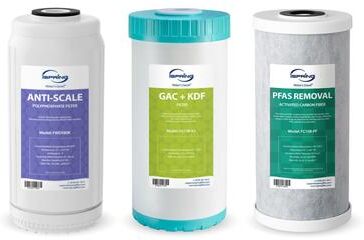
iSpring F3WGB31BPFKDS Water Filter Pack, SGS-Tested, Reduces PFAS, Scale, Heavy Metals, Chlorine, Corrosion, Taste & OdorEssential Replacement for WGB31B-PFKDS – This 3-stage PFAS water filter replacement set is specially designed for the iSpring WGB31B-PFKDS whole house water filtration system. Ideal for treating well water, city water, or any whole-home water setup.356,99 $*Shipping: 0,00 $Secure redirect to the provider
-
Javier Blas The Rare Metals War, The World for Sale 2 Books Collection Set - Non Fiction - PaperbackTitles in This Set:. The Rare Metals War. The World for Sale: Money, Power and the Traders Who Barter the Earth’s Resources Condition: BRAND NEW. Format: Paperback Overview:. Two landmark investigations into the engine of today’s global economy, this 2-book collection pulls back the curtain on the metals that power the 21st century. The Rare Metals War by Guillaume Pitron examines how the race for critical minerals—cobalt, lithium, palladium and more—drives environmental cost, mining risk, and geopolitical tension as nations compete to secure supply for electric vehicles, wind turbines, and smartphones. The World for Sale by Javier Blas lifts the lid on the traders who move Earth’s resources with extraordinary speed, shaping prices, policy, and power—from sanctions with Saddam Hussein’s oil to financing regimes under Vladimir Putin. Together, these volumes connect the dots from mine to market, revealing how the green-energy transition creates new dependencies and how money and influence steer global access to essential materials. A timely, provocative pairing for readers who want the full picture of today’s resource-driven world. What Makes This Collection Special:. Where one book follows the raw material journey from rock to resilience, the other follows the money that moves those resources around the globe. Read in tandem, they deliver a complete map of the modern energy economy: the environmental costs, the supply-chain fragilities, and the political power plays that determine who gets access to critical minerals and who pays the price. The set offers a cohesive reading arc—from extraction and trade to policy and profit—making it ideal for deep, informed thinking, lively discussion, and informed decision-making. It’s also a compelling gift for policy enthusiasts, students, professionals, and anyone curious about how today’s gadgets actually come to life. Books Included in This Collection:. The Rare Metals War. In The Rare Metals War, Guillaume Pitron takes readers on a global investigative tour of the metals that underwrite the green transition. The book lays bare how mining, processing, and trade for cobalt, lithium, palladium, and other minerals shape environmental outcomes, supply chains, and geopolitical leverage. It argues that moving away from fossil fuels creates new dependencies and conflicts, with China playing a pivotal role in controlling the supply network. With rigorous data and accessible storytelling, this volume reframes what “green tech” really means in practice, offering a urgently needed warning and a path toward more informed choices for policymakers and consumers alike. The World for Sale: Money, Power and the Traders Who Barter the Earth’s Resources. The World for Sale uncovers the hidden engine of global commerce: the billionaire commodity traders who connect resource-rich lands to the world’s financial centers. It is a brisk, revealing tour of how deals are made, sanctions navigated, and influence exercised in the name...21,99 £*Shipping: 2,99 £Secure redirect to the provider
-
Why are all elements of the transition metals metals?
All elements of the transition metals are metals because they share common characteristics such as being good conductors of heat and electricity, having high melting and boiling points, and being malleable and ductile. These properties are due to the presence of loosely held electrons in their outermost energy levels, which allows them to easily lose electrons and form positive ions. Transition metals also have a high density and luster, further contributing to their classification as metals. **
-
Can metals burn?
Yes, metals can burn under certain conditions. When exposed to high enough temperatures, some metals can react with oxygen in the air and undergo a process called combustion, resulting in the formation of metal oxides and the release of heat and light. For example, magnesium and titanium are known to burn in air when heated to high temperatures. However, not all metals are easily combustible, and the conditions required for them to burn vary depending on the specific metal. **
-
What do alkali metals and alkaline earth metals have in common?
Alkali metals and alkaline earth metals are both groups of elements found on the left side of the periodic table. They are both highly reactive metals that readily lose electrons to form positive ions. Additionally, both groups have low melting and boiling points, making them soft and easily malleable. Alkali metals and alkaline earth metals are essential for various industrial and biological processes due to their unique chemical properties. **
-
What is the difference between alkali metals and alkaline earth metals?
Alkali metals are the elements found in Group 1 of the periodic table, while alkaline earth metals are found in Group 2. Alkali metals are more reactive than alkaline earth metals due to their lower ionization energy. Alkali metals have one electron in their outermost shell, while alkaline earth metals have two electrons in their outermost shell. **
* All prices are inclusive of VAT and, if applicable, plus shipping costs. The offer information is based on the details provided by the respective shop and is updated through automated processes. Real-time updates do not occur, so deviations can occur in individual cases. ** Note: Parts of this content were created by AI.