Buy baptisten.eu ?
We are moving the project
baptisten.eu .
Are you interested in purchasing the domain
baptisten.eu ?
domain@kv-gmbh.de · 0541-91531010
Buy baptisten.eu ?
Are foreign genes becoming more dominant than German genes?
It is not accurate to say that foreign genes are becoming more dominant than German genes. Genetic diversity is a natural and important aspect of human populations, and the mixing of genes from different populations has been occurring throughout history. While there may be an increase in genetic diversity due to globalization and increased migration, it does not mean that foreign genes are becoming more dominant. It is important to recognize and celebrate the diversity of genes within the German population and to understand that genetic diversity is a reflection of the interconnectedness of human populations around the world. **
What are genes?
Genes are segments of DNA that contain instructions for building proteins, which are essential for the structure and function of our bodies. They are the basic unit of heredity and are passed down from parents to offspring. Genes determine traits such as eye color, height, and susceptibility to certain diseases. Mutations in genes can lead to genetic disorders or variations in traits. **

Similar search terms for Genes
Top-Angebote
Products related to Genes:
-
Dirty Genes By Ben Lynch & Identically Different By Professor Tim Spector 2 Books Collection SetDescription. Dirty Genes:. After suffering for years with unexplainable health issues, Dr. Ben Lynch discovered the root cause—“dirty” genes. Genes can be “born dirty” or merely “act dirty” in response to your environment, diet, or lifestyle—causing lifelong, life-threatening, and chronic health problems, including cardiovascular disease, autoimmune disorders, anxiety, depression, digestive issues, obesity, cancer, and diabetes. Based on his own experience and successfully helping thousands of clients, Dr. Lynch shows you how to identify and optimize both types of dirty genes by cleaning them up with targeted and personalized plans, including healthy eating, good sleep, stress relief, environmental detox, and other holistic and natural means.. Identically Different:. Professor Tim Spector reveals how the latest genetic research and his own pioneering studies on epigenetics are rewriting everything we thought we knew about genes, identity and evolution. Conceptually, he explains, our genes are not fixed entities but more like plastic, able to change shape and evolve, and these changes can be passed on to future generations. Tim Spector's dazzling guide to the hidden world of our genes reveals the complex role they play in shaping our identities, and will make you think again about everything from sexuality to religion, cancer to autism, politics to pubic hair, clones to bacteria, and what it is that makes us all so unique and quintessentially human. Title. Dirty Genes By Ben Lynch & Identically Different By Professor Tim Spector 2 Books Collection Set. Delivery. Content. Reviews99,99 £*Shipping: 0,00 £Secure redirect to the provider
-
Ben Lynch Dirty Genes: A Breakthrough Program to Treat the Root Cause of Illness and Optimize Your HealthDescription. After suffering for years with unexplainable health issues, Dr. Ben Lynch discovered the root cause—“dirty” genes. Genes can be “born dirty” or merely “act dirty” in response to your environment, diet, or lifestyle—causing lifelong, life-threatening, and chronic health problems, including cardiovascular disease, autoimmune disorders, anxiety, depression, digestive issues, obesity, cancer, and diabetes.. Title. Dirty Genes: A Breakthrough Program to Treat the Root Cause of Illness and Optimize Your Health. Delivery. Content. Reviews12,99 £*Shipping: 2,99 £Secure redirect to the provider
-
A Brief History Of Everyone Who Ever Lived: The Stories In Our Genes By Adam Rutherford - Non Fiction - PaperbackTitle:. A Brief History of Everyone Who Ever Lived: The Stories in Our Genes Condition: BRAND NEW. Format: Paperback Overview:. What if your DNA is not just a set of recipes for how you look or how tall you might be, but a personal history book written across generations? In A Brief History of Everyone Who Ever Lived: The Stories in Our Genes, Adam Rutherford invites readers to discover the living archive inside us all. This engaging non-fiction explores how our genomes preserve the journeys of births, migrations, plagues, wars, and everyday human drama. It blends rigorous science with vivid storytelling to illuminate how genetic variation arises, why populations diverge, and how evolutionary forces shape who we are today. Rutherford makes complex ideas approachable without dumbing them down, guiding you through ancestry, disease, and the enduring myths that still surround genetics. The UK edition enhances the reading experience with a deeply thoughtful presentation and a tone that feels like a conversation with a knowledgeable friend who loves biology as much as you do. Whether you’re curious about your own origins, fascinated by population history, or seeking a thought-provoking gift for a science-minded reader, this paperback delivers clarity, wit, and humanity in equal measure. What Makes This Book Stand Out:. This book stands out by turning abstract genetic data into a compelling human story. Rutherford threads real-world case studies with clear explanations of how genetic variation arises, why “race” is not a biological determinant, and how ancestry tracing works—without oversimplifying. His voice is calm, confident, and gently provocative, inviting readers to question assumptions while embracing the wonder of science. The narrative unfolds like a modern mystery: from mitochondrial DNA to the social forces that shape how we think about kinship, each chapter reveals a fresh facet of our shared inheritance. The prose remains precise and lively, balancing rigorous science with accessible language and memorable analogies. It’s the perfect entry point for readers who want a trustworthy, evidence-based look at genetics, health histories, and humanity’s collective voyage, all wrapped in a beautifully designed paperback that feels crafted for curious minds. Who This Book Is Perfect For:. Ideal for readers of popular science who want a solid, accessible tour of genetics and human history. It’s tailor-made for students exploring biology, teachers seeking a compelling supplement to curricula, and anyone who has wondered what their genes reveal about the past. This is a thoughtful gift for non-fiction lovers, BookTok enthusiasts seeking well-researched brilliance, and families exploring ancestry and health topics together. If you appreciate science written with integrity—where complexity is welcomed and explained—this book will resonate. It also suits readers looking for a conversation-starting introduction to genomics that respects your intelligence...99,99 £*Shipping: 0,00 £Secure redirect to the provider
-
Ben Lynch, Gene Stone Michael Greger, Dirty Genes, How Not To Die, The Complete Guide To Anti-Inflammatory Foods 3 Books Collection SetDescription. Dirty Genes:. Dr. Ben Lynch discovered the root cause—“dirty” genes. Genes can be “born dirty” or merely “act dirty” in response to your environment, diet, or lifestyle—causing lifelong, life-threatening, and chronic health problems, including cardiovascular disease, autoimmune disorders, anxiety, depression, digestive issues, obesity, cancer, and diabetes.. How Not To Die:. How Not To Die gives effective, scientifically-proven nutritional advice to prevent our biggest killers - including heart disease, breast cancer, prostate cancer, high blood pressure and diabetes - and reveals the astounding health benefits that simple dietary choices can provide.Based on the latest scientific research, the internationally bestselling How Not To Die examines each of the most common diseases to reveal what, how and why different foods affect us, and how increasing our consumption of certain foods and avoiding others can dramatically reduce our risk of falling sick and even reverse the effects of disease.. The Complete Guide To Anti-Inflammatory Foods:. The older we get, the more likely inflammation of the body can be harmful and cause long-term damage. Researchers have linked low-grade, persistent inflammation to premature aging, heart disease, MS, diabetes, Alzheimer's, psoriasis, arthritis, and cancer. While anti-inflammatory drugs do exist, they might not always be the best option. Fortunately, aggressive inflammation can be remedied by a simple change in diet.. Title. Dirty Genes, How Not To Die, The Complete Guide To Anti-Inflammatory Foods 3 Books Collection Set. Delivery. Content. Reviews99,99 £*Shipping: 0,00 £Secure redirect to the provider


-
Are these the genes?
No, the genes are not visible in the image provided. The image appears to show a close-up of a person's eye, which does not display genes. Genes are segments of DNA that are responsible for determining specific traits in an organism, and they are not visible to the naked eye. To see genes, one would need to use specialized equipment like a microscope to observe the DNA molecules that make up the genes. **
-
What are good genes?
Good genes refer to genetic traits that are beneficial for an individual's overall health, fitness, and reproductive success. These traits can include resistance to diseases, physical attractiveness, intelligence, and longevity. Good genes are often associated with increased chances of survival and successful reproduction, leading to the passing on of these advantageous traits to future generations. **
-
What are overlapping genes?
Overlapping genes are genes that share a portion of their DNA sequence, resulting in the production of multiple proteins from the same stretch of DNA. This can occur when the reading frames of two or more genes overlap, allowing for the production of different proteins from the same segment of DNA. Overlapping genes are found in both prokaryotic and eukaryotic genomes, and they can play a role in regulating gene expression and increasing the coding capacity of the genome. **
-
Are there alcoholic genes?
There is evidence to suggest that genetics can play a role in a person's likelihood of developing alcoholism. Studies have shown that certain genes may be associated with an increased risk of alcohol dependence. However, genetics is just one factor that contributes to the development of alcoholism, and environmental and social factors also play a significant role. It's important to remember that having a genetic predisposition to alcoholism does not guarantee that a person will develop the disorder, and that individual choices and behaviors also play a crucial role. **


How influential are genes?
Genes play a significant role in influencing various traits and characteristics in individuals, including physical attributes, susceptibility to certain diseases, and even behavioral tendencies. However, it's important to note that genes are not the sole determinants of these traits, as environmental factors and lifestyle choices also play a crucial role. Additionally, the field of epigenetics has shown that gene expression can be influenced by environmental factors, further highlighting the complex interplay between genes and the environment. Overall, while genes are influential, they are just one piece of the puzzle in understanding human traits and behaviors. **
What are dangerous genes?
Dangerous genes are genetic mutations or variations that can increase the risk of developing certain diseases or conditions. These genes can be inherited from one or both parents and may contribute to a higher likelihood of developing conditions such as cancer, heart disease, or neurological disorders. Identifying and understanding dangerous genes is important for assessing an individual's risk for certain health issues and for developing targeted prevention and treatment strategies. Additionally, dangerous genes can also refer to genes that have the potential to cause harm to an organism or population, such as those associated with antibiotic resistance in bacteria. **
Top-Angebote
Products related to Genes:
-
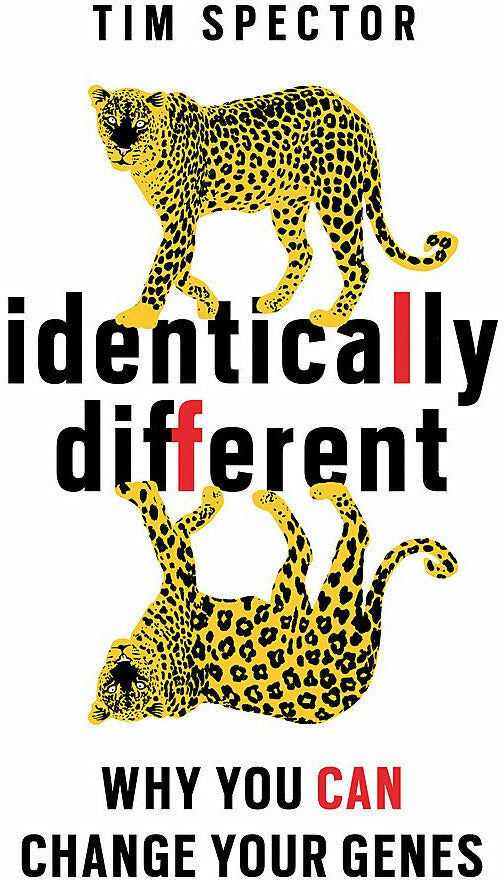
Identically Different: Why You Can Change Your Genes By Professor Tim SpectorDescription:. Condition: BRAND NEW. Format: Paperback. Since the discovery of DNA, scientists have believed that genes are fixed entities that cannot be changed by environment - we inherit them, pass them on to our children and take them with us when we die.. Professor Tim Spector reveals how the latest genetic research and his own pioneering studies on epigenetics are rewriting everything we thought we knew about genes, identity and evolution. Conceptually, he explains, our genes are not fixed entities but more like plastic, able to change shape and evolve, and these changes can be passed on to future generations.. Title. Identically Different: Why You Can Change Your Genes By Professor Tim Spector. Delivery. Content. Reviews2,99 £*Shipping: 2,99 £Secure redirect to the provider
-
Orion Identically Different: Why You Can Change Your Genes by Professor Tim SpectorSince the discovery of DNA, scientists have believed that genes are fixed entities that cannot be changed by environment - we inherit them, pass them on to our children and take them with us when we die.Professor Tim Spector reveals how the latest genetic research and his own pioneering studies on epigenetics are rewriting everything we thought we knew about genes, identity and evolution. Conceptually, he explains, our genes are not fixed entities but more like plastic, able to change shape and evolve, and these changes can be passed on to future generations.Tim Spector's dazzling guide to the hidden world of our genes reveals the complex role they play in shaping our identities, and will make you think again about everything from sexuality to religion, cancer to autism, politics to pubic hair, clones to bacteria, and what it is that makes us all so unique and quintessentially human.3,70 £*Shipping: 1,99 £Secure redirect to the provider
-
Dirty Genes By Ben Lynch & Identically Different By Professor Tim Spector 2 Books Collection SetDescription. Dirty Genes:. After suffering for years with unexplainable health issues, Dr. Ben Lynch discovered the root cause—“dirty” genes. Genes can be “born dirty” or merely “act dirty” in response to your environment, diet, or lifestyle—causing lifelong, life-threatening, and chronic health problems, including cardiovascular disease, autoimmune disorders, anxiety, depression, digestive issues, obesity, cancer, and diabetes. Based on his own experience and successfully helping thousands of clients, Dr. Lynch shows you how to identify and optimize both types of dirty genes by cleaning them up with targeted and personalized plans, including healthy eating, good sleep, stress relief, environmental detox, and other holistic and natural means.. Identically Different:. Professor Tim Spector reveals how the latest genetic research and his own pioneering studies on epigenetics are rewriting everything we thought we knew about genes, identity and evolution. Conceptually, he explains, our genes are not fixed entities but more like plastic, able to change shape and evolve, and these changes can be passed on to future generations. Tim Spector's dazzling guide to the hidden world of our genes reveals the complex role they play in shaping our identities, and will make you think again about everything from sexuality to religion, cancer to autism, politics to pubic hair, clones to bacteria, and what it is that makes us all so unique and quintessentially human. Title. Dirty Genes By Ben Lynch & Identically Different By Professor Tim Spector 2 Books Collection Set. Delivery. Content. Reviews99,99 £*Shipping: 0,00 £Secure redirect to the provider
-
Ben Lynch Dirty Genes: A Breakthrough Program to Treat the Root Cause of Illness and Optimize Your HealthDescription. After suffering for years with unexplainable health issues, Dr. Ben Lynch discovered the root cause—“dirty” genes. Genes can be “born dirty” or merely “act dirty” in response to your environment, diet, or lifestyle—causing lifelong, life-threatening, and chronic health problems, including cardiovascular disease, autoimmune disorders, anxiety, depression, digestive issues, obesity, cancer, and diabetes.. Title. Dirty Genes: A Breakthrough Program to Treat the Root Cause of Illness and Optimize Your Health. Delivery. Content. Reviews12,99 £*Shipping: 2,99 £Secure redirect to the provider
-
Are foreign genes becoming more dominant than German genes?
It is not accurate to say that foreign genes are becoming more dominant than German genes. Genetic diversity is a natural and important aspect of human populations, and the mixing of genes from different populations has been occurring throughout history. While there may be an increase in genetic diversity due to globalization and increased migration, it does not mean that foreign genes are becoming more dominant. It is important to recognize and celebrate the diversity of genes within the German population and to understand that genetic diversity is a reflection of the interconnectedness of human populations around the world. **
-
What are genes?
Genes are segments of DNA that contain instructions for building proteins, which are essential for the structure and function of our bodies. They are the basic unit of heredity and are passed down from parents to offspring. Genes determine traits such as eye color, height, and susceptibility to certain diseases. Mutations in genes can lead to genetic disorders or variations in traits. **
-
Are these the genes?
No, the genes are not visible in the image provided. The image appears to show a close-up of a person's eye, which does not display genes. Genes are segments of DNA that are responsible for determining specific traits in an organism, and they are not visible to the naked eye. To see genes, one would need to use specialized equipment like a microscope to observe the DNA molecules that make up the genes. **
-
What are good genes?
Good genes refer to genetic traits that are beneficial for an individual's overall health, fitness, and reproductive success. These traits can include resistance to diseases, physical attractiveness, intelligence, and longevity. Good genes are often associated with increased chances of survival and successful reproduction, leading to the passing on of these advantageous traits to future generations. **
Similar search terms for Genes
-
A Brief History Of Everyone Who Ever Lived: The Stories In Our Genes By Adam Rutherford - Non Fiction - PaperbackTitle:. A Brief History of Everyone Who Ever Lived: The Stories in Our Genes Condition: BRAND NEW. Format: Paperback Overview:. What if your DNA is not just a set of recipes for how you look or how tall you might be, but a personal history book written across generations? In A Brief History of Everyone Who Ever Lived: The Stories in Our Genes, Adam Rutherford invites readers to discover the living archive inside us all. This engaging non-fiction explores how our genomes preserve the journeys of births, migrations, plagues, wars, and everyday human drama. It blends rigorous science with vivid storytelling to illuminate how genetic variation arises, why populations diverge, and how evolutionary forces shape who we are today. Rutherford makes complex ideas approachable without dumbing them down, guiding you through ancestry, disease, and the enduring myths that still surround genetics. The UK edition enhances the reading experience with a deeply thoughtful presentation and a tone that feels like a conversation with a knowledgeable friend who loves biology as much as you do. Whether you’re curious about your own origins, fascinated by population history, or seeking a thought-provoking gift for a science-minded reader, this paperback delivers clarity, wit, and humanity in equal measure. What Makes This Book Stand Out:. This book stands out by turning abstract genetic data into a compelling human story. Rutherford threads real-world case studies with clear explanations of how genetic variation arises, why “race” is not a biological determinant, and how ancestry tracing works—without oversimplifying. His voice is calm, confident, and gently provocative, inviting readers to question assumptions while embracing the wonder of science. The narrative unfolds like a modern mystery: from mitochondrial DNA to the social forces that shape how we think about kinship, each chapter reveals a fresh facet of our shared inheritance. The prose remains precise and lively, balancing rigorous science with accessible language and memorable analogies. It’s the perfect entry point for readers who want a trustworthy, evidence-based look at genetics, health histories, and humanity’s collective voyage, all wrapped in a beautifully designed paperback that feels crafted for curious minds. Who This Book Is Perfect For:. Ideal for readers of popular science who want a solid, accessible tour of genetics and human history. It’s tailor-made for students exploring biology, teachers seeking a compelling supplement to curricula, and anyone who has wondered what their genes reveal about the past. This is a thoughtful gift for non-fiction lovers, BookTok enthusiasts seeking well-researched brilliance, and families exploring ancestry and health topics together. If you appreciate science written with integrity—where complexity is welcomed and explained—this book will resonate. It also suits readers looking for a conversation-starting introduction to genomics that respects your intelligence...99,99 £*Shipping: 0,00 £Secure redirect to the provider
-
Ben Lynch, Gene Stone Michael Greger, Dirty Genes, How Not To Die, The Complete Guide To Anti-Inflammatory Foods 3 Books Collection SetDescription. Dirty Genes:. Dr. Ben Lynch discovered the root cause—“dirty” genes. Genes can be “born dirty” or merely “act dirty” in response to your environment, diet, or lifestyle—causing lifelong, life-threatening, and chronic health problems, including cardiovascular disease, autoimmune disorders, anxiety, depression, digestive issues, obesity, cancer, and diabetes.. How Not To Die:. How Not To Die gives effective, scientifically-proven nutritional advice to prevent our biggest killers - including heart disease, breast cancer, prostate cancer, high blood pressure and diabetes - and reveals the astounding health benefits that simple dietary choices can provide.Based on the latest scientific research, the internationally bestselling How Not To Die examines each of the most common diseases to reveal what, how and why different foods affect us, and how increasing our consumption of certain foods and avoiding others can dramatically reduce our risk of falling sick and even reverse the effects of disease.. The Complete Guide To Anti-Inflammatory Foods:. The older we get, the more likely inflammation of the body can be harmful and cause long-term damage. Researchers have linked low-grade, persistent inflammation to premature aging, heart disease, MS, diabetes, Alzheimer's, psoriasis, arthritis, and cancer. While anti-inflammatory drugs do exist, they might not always be the best option. Fortunately, aggressive inflammation can be remedied by a simple change in diet.. Title. Dirty Genes, How Not To Die, The Complete Guide To Anti-Inflammatory Foods 3 Books Collection Set. Delivery. Content. Reviews99,99 £*Shipping: 0,00 £Secure redirect to the provider
-
Our Voices: Neighborhood & Community Boxed SetFoster a feeling of belonging while building key reading skills with these colorful storybooks that spotlight a variety of neighborhoods and communities. The 10 charming stories feature characters from different cultural backgrounds who learn about...32,37 $*Shipping: 0,00 $Secure redirect to the provider
-
Nagdi Suleman Discovering Through Death - Beliefs and Practices - Non Fiction - PaperbackTitle:. Discovering Through Death - Beliefs and Practices Condition: BRAND NEW. Format: Paperback Overview:. Discovering Through Death - Beliefs and Practices invites readers into a thoughtful, interdisciplinary exploration of how cultures interpret mortality and mark farewell. This paperback offers clear, accessible prose that unwraps complex ideas without jargon. It examines why societies ritualize death, how mourning shapes communities, and how beliefs influence end-of-life decisions in everyday life. Spanning historical sources and contemporary practices, the book weaves anthropology, religious studies, psychology, and ethics to present a nuanced panorama of dying cultures around the world. Expect concise, well-structured chapters, each accompanied by key terms and reflective prompts that encourage personal engagement rather than passive reading. The author presents case studies—from quiet village rites to urban memorial ceremonies—to illuminate both universal themes and striking differences. For students, caregivers, nurses, clergy, and curious readers, this guide offers practical insights: how rituals provide meaning, how conversations about death improve care, and how to approach sensitive topics with respect. The tone is scholarly yet approachable, never sensational, inviting readers to examine their own beliefs while building empathy for others. Design elements such as boxed sidebars, glossary terms, and reading prompts make it an ideal companion for coursework, reading groups, or solo study. By the final chapter, you’ll have a framework for understanding death not as a distant incident, but as a deeply human process that unites us across cultures. What Makes This Book Stand Out:. Unlike many introductions, Discovering Through Death grounds theory in everyday practice. The author threads cross-cultural comparisons with accessible explanations of ritual meanings, grief processes, and ethical questions around death and dying. It is not a sterile survey; it invites readers to consider how beliefs inform caregiving, policy, and personal decisions. The inclusion of real-world case studies helps readers imagine themselves in different cultural contexts, while digestible summaries at the end of each chapter reinforce learning. A thoughtfully compiled glossary demystifies terms such as eschatology, ritual transition, and bereavement; sidebars offer quick takeaways for students, teachers, or busy professionals. The narrative pace balances curiosity with empathy, encouraging reflective reading and discussion. Whether you’re studying for a course, supporting someone at end of life, or simply seeking a broader understanding of mortality, this book provides a reliable, respectful lens that can be revisited chapter by chapter. Who This Book Is Perfect For:. Perfect for undergraduates and postgraduates studying anthropology, religious studies, sociology, or medical humanities; professionals in palliative care, nursing, social work, and chaplaincy;...99,99 £*Shipping: 0,00 £Secure redirect to the provider
-
What are overlapping genes?
Overlapping genes are genes that share a portion of their DNA sequence, resulting in the production of multiple proteins from the same stretch of DNA. This can occur when the reading frames of two or more genes overlap, allowing for the production of different proteins from the same segment of DNA. Overlapping genes are found in both prokaryotic and eukaryotic genomes, and they can play a role in regulating gene expression and increasing the coding capacity of the genome. **
-
Are there alcoholic genes?
There is evidence to suggest that genetics can play a role in a person's likelihood of developing alcoholism. Studies have shown that certain genes may be associated with an increased risk of alcohol dependence. However, genetics is just one factor that contributes to the development of alcoholism, and environmental and social factors also play a significant role. It's important to remember that having a genetic predisposition to alcoholism does not guarantee that a person will develop the disorder, and that individual choices and behaviors also play a crucial role. **
-
How influential are genes?
Genes play a significant role in influencing various traits and characteristics in individuals, including physical attributes, susceptibility to certain diseases, and even behavioral tendencies. However, it's important to note that genes are not the sole determinants of these traits, as environmental factors and lifestyle choices also play a crucial role. Additionally, the field of epigenetics has shown that gene expression can be influenced by environmental factors, further highlighting the complex interplay between genes and the environment. Overall, while genes are influential, they are just one piece of the puzzle in understanding human traits and behaviors. **
-
What are dangerous genes?
Dangerous genes are genetic mutations or variations that can increase the risk of developing certain diseases or conditions. These genes can be inherited from one or both parents and may contribute to a higher likelihood of developing conditions such as cancer, heart disease, or neurological disorders. Identifying and understanding dangerous genes is important for assessing an individual's risk for certain health issues and for developing targeted prevention and treatment strategies. Additionally, dangerous genes can also refer to genes that have the potential to cause harm to an organism or population, such as those associated with antibiotic resistance in bacteria. **
* All prices are inclusive of VAT and, if applicable, plus shipping costs. The offer information is based on the details provided by the respective shop and is updated through automated processes. Real-time updates do not occur, so deviations can occur in individual cases. ** Note: Parts of this content were created by AI.