Buy baptisten.eu ?
We are moving the project
baptisten.eu .
Are you interested in purchasing the domain
baptisten.eu ?
domain@kv-gmbh.de · 0541-91531010
Buy baptisten.eu ?
How does one find inner contentment?
One can find inner contentment by practicing gratitude and focusing on the positive aspects of life. Engaging in activities that bring joy and fulfillment, such as hobbies or spending time with loved ones, can also help cultivate inner contentment. Additionally, practicing mindfulness and self-care, such as meditation or exercise, can help individuals connect with themselves and find peace within. Ultimately, inner contentment comes from accepting oneself, letting go of expectations, and finding happiness in the present moment. **
What does happiness and contentment mean alone?
Happiness and contentment, when experienced alone, can still bring a sense of fulfillment and peace. It means finding joy and satisfaction within oneself, independent of external factors or other people. It can also signify a strong sense of self-awareness and acceptance, allowing one to feel complete and at ease without relying on others for validation or happiness. Ultimately, being happy and content alone means being able to find inner peace and fulfillment regardless of external circumstances. **


Similar search terms for Contentment
Top-Angebote
Products related to Contentment:
-
Wrendale Designs 'Contentment' Fox Large Cosmetic BagThis beautiful large cosmetic bag featuring the 'Contentment' design is a great addition to anyone's Wrendale collection. With plenty of space for make-up and all the essentials, a sturdy base, branded zip top fastening, antique brass wren stud and contrasting coloured interior, this bag feels extra special and is a pleasure to use. Wrendale Large Cosmetic Bag dimensions: 24.5cm x 33cm x 10cm. Made from textured vegan leather.19,80 £*Shipping: 3,50 £Secure redirect to the provider
-
Wrendale Designs 'Contentment' Fox Canvas Tote BagThis gorgeous Wrendale Designs Canvas Tote Bag featuring the 'Contentment' design, is made from thick canvas material and is great for storing anything you might need when travelling, commuting, shopping on generally being 'on the go'. The bag has a large gusset to pack plenty inside, a colourful striped lining, handles in contrasting colours and a sewn in label on the side with Wrendale branding. Made from canvas with 100% cotton lining. Tote Bag dimensions: 42cm x 40cm x 10cm.18,00 £*Shipping: 3,50 £Secure redirect to the provider
-
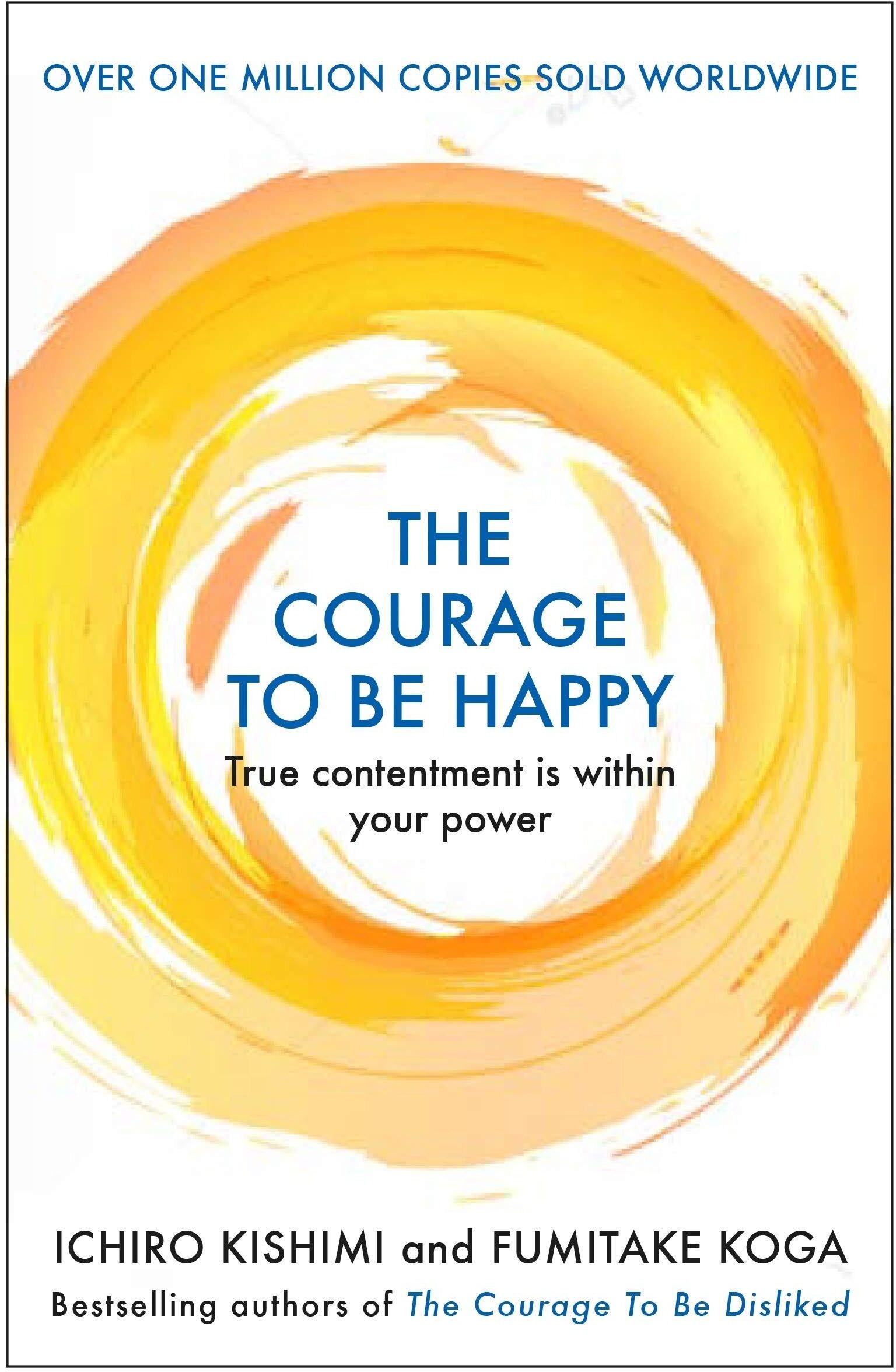
Atlantic Books The Courage to be Happy: True Contentment Is Within Your Power by Kishimi, Ichiro, Koga , FumitakeThe Courage to be Happy Description The sequel to the global bestseller The Courage To Be Disliked, the Japanese phenomenon in applying twentieth-century psychology to contemporary dilemmas continues with life-changing advice on finding happiness. In The Courage To Be Happy, Ichiro Kishimi and Fumitake Koga again distil their wisdom into simple yet profound advice to show us how we, too, can use twentieth-century psychological theory to find true happiness.3,99 £*Shipping: 1,99 £Secure redirect to the provider
-
The Courage to Be Happy: True Contentment Is Within Your Power by Ichiro Kishimi, Fumitake Koga - Non Fiction - PaperbackTitle:. The Courage to be Happy: True Contentment Is Within Your Power by Ichiro Kishimi, Fumitake Koga. Condition: BRAND NEW. Format: Paperback. ISBN: 9781911630227. Overview:. Dive into the transformative world of "The Courage to be Happy: True Contentment Is Within Your Power," the highly anticipated sequel to the international bestseller "The Courage To Be Disliked." Co-authored by Japanese philosopher Ichiro Kishimi and writer Fumitake Koga, this hardcover book continues their exploration of Adlerian psychology, offering practical insights into achieving genuine happiness in everyday life. At its core, the book challenges readers to take control of their emotions and decisions, emphasizing that true contentment isn't about external achievements but about internal shifts in perspective. Through a series of engaging dialogues, Kishimi and Koga break down complex psychological concepts into accessible advice, making it easy to apply to real-world scenarios like overcoming anxiety, building better relationships, and fostering a positive mindset. This isn't just another self-help book; it's a guide that empowers you to rewrite your life's narrative, drawing from Adler's teachings to address modern dilemmas such as work-life balance and personal growth. With its blend of philosophy and psychology, the book appeals to those seeking meaningful change, providing tools to navigate life's challenges with confidence. Why invest in this hardcover edition? It offers lasting value as a reference you'll return to, packaged in a durable format that's perfect for gifting or displaying on your bookshelf, ensuring you have a reliable companion for your journey towards inner peace.. What Makes This Book Stand Out:. What sets "The Courage to be Happy" apart in the crowded self-help genre is its unique fusion of historical psychological theory with contemporary relevance, making it more than just inspirational—it's actionable. Unlike many books that offer vague platitudes, Kishimi and Koga use Socratic-style conversations to unpack Alfred Adler's ideas, turning abstract concepts into step-by-step strategies for everyday happiness. The book's emphasis on personal responsibility and rejecting victimhood resonates deeply in today's fast-paced world, where social media and external pressures often dictate our moods. Readers will appreciate the emotional pull of relatable examples, such as dealing with workplace stress or nurturing family bonds, all woven with a warm, conversational tone that feels like a mentoring session rather than a lecture. This approach not only enhances the reading experience but also builds a sense of progression, as each chapter builds on the last to create a comprehensive path to contentment. Educationally, it's enriched with insights that could rival professional therapy sessions, yet it's delivered in an engaging, non-academic style that's accessible to all. In a market full of generic motivational texts, this book's standout feature is its...2,99 £*Shipping: 2,99 £Secure redirect to the provider



-
What is the difference between happiness and contentment?
Happiness is a feeling of joy and pleasure that is often linked to specific events or experiences, while contentment is a more stable and long-lasting state of satisfaction and peace. Happiness is often dependent on external factors, such as achieving a goal or receiving good news, while contentment comes from within and is not easily influenced by external circumstances. Happiness can be fleeting and temporary, while contentment is a deeper sense of fulfillment and acceptance of one's life as it is. **
-
What is the difference between gratitude and contentment?
Gratitude is the feeling of being thankful and appreciative for what one has, while contentment is the state of being satisfied with one's current situation or circumstances. Gratitude often involves recognizing and acknowledging the positive aspects of one's life, while contentment is more about feeling at peace with where one is in the present moment. Gratitude is more focused on specific things or experiences that bring joy, whereas contentment is a broader sense of overall satisfaction with life. **
-
What is the difference between joy, happiness, and contentment?
Joy is a deep-seated feeling of inner peace and fulfillment that comes from within, often independent of external circumstances. Happiness is a temporary emotion that arises from positive experiences or events, such as achieving a goal or spending time with loved ones. Contentment, on the other hand, is a state of being satisfied with what one has and feeling a sense of peace and acceptance with one's current situation. While joy and contentment are more long-lasting and stable, happiness is more fleeting and dependent on external factors. **
-
How can one achieve inner peace, balance, and contentment?
One can achieve inner peace, balance, and contentment by practicing mindfulness and self-awareness. This involves being present in the moment, acknowledging and accepting one's emotions, and understanding the root causes of any inner turmoil. Additionally, maintaining a healthy lifestyle through regular exercise, a balanced diet, and sufficient rest can contribute to a sense of well-being. Engaging in activities that bring joy and fulfillment, such as hobbies, spending time with loved ones, and helping others, can also foster inner peace and contentment. Finally, seeking support from a therapist or counselor can provide valuable guidance and tools for managing stress and achieving emotional balance. **

What is a faith community and what is the difference between religion and faith community?
A faith community is a group of people who come together to practice and share their beliefs, values, and traditions. It is a place where individuals can find support, guidance, and a sense of belonging based on their shared faith. The difference between religion and a faith community is that religion refers to a specific set of beliefs and practices, often organized around a particular deity or deities, while a faith community is the group of people who come together to practice and share those beliefs and practices. In other words, a faith community is the tangible, human aspect of a religion, where individuals come together to live out their shared faith in community with one another. **
What are the beliefs and worship practices of the Orthodox Church?
The Orthodox Church believes in the Holy Trinity, the divinity of Jesus Christ, and the importance of tradition and scripture. Worship practices in the Orthodox Church are centered around the liturgy, sacraments, and prayers. The Eucharist, or Holy Communion, is a central aspect of Orthodox worship, along with the veneration of icons and saints. Fasting, prayer, and confession are also important spiritual disciplines in the Orthodox tradition. **
Top-Angebote
Products related to Contentment:
-
Wrendale Designs 'Contentment' Fox Winter ScarfPerfect to wrap up warm on those cold winter mornings, this soft teal scarf features the 'Contentment' design printed at both end and a contrasting rusty orange colour on the reverse. The open scarf measures 70cm x 190cm and comes with a beautifully illustrated gift bag. Made from 60% Polyester and 40% Viscose.28,80 £*Shipping: 3,50 £Secure redirect to the provider
-
Wrendale Designs 'Contentment' Fox Mantel ClockA welcome addition to any mantel piece, this beautiful Wrendale Designs Fox Mantel Clock is perfect for any room or bedside table. This clock has the same contemporary soft grey, matt finish as Wrendale's larger wall clocks. Each number is embossed and hand painted with a metallic silver finish and features beautiful illustrations across the front and sides of the clock. Each mantel clock comes packaged in an illustrated kraft box making a fabulous gift. Clock measures 12.8cm x 12cm x 5.8cm.28,80 £*Shipping: 3,50 £Secure redirect to the provider
-
Wrendale Designs 'Contentment' Fox Large Cosmetic BagThis beautiful large cosmetic bag featuring the 'Contentment' design is a great addition to anyone's Wrendale collection. With plenty of space for make-up and all the essentials, a sturdy base, branded zip top fastening, antique brass wren stud and contrasting coloured interior, this bag feels extra special and is a pleasure to use. Wrendale Large Cosmetic Bag dimensions: 24.5cm x 33cm x 10cm. Made from textured vegan leather.19,80 £*Shipping: 3,50 £Secure redirect to the provider
-
Wrendale Designs 'Contentment' Fox Canvas Tote BagThis gorgeous Wrendale Designs Canvas Tote Bag featuring the 'Contentment' design, is made from thick canvas material and is great for storing anything you might need when travelling, commuting, shopping on generally being 'on the go'. The bag has a large gusset to pack plenty inside, a colourful striped lining, handles in contrasting colours and a sewn in label on the side with Wrendale branding. Made from canvas with 100% cotton lining. Tote Bag dimensions: 42cm x 40cm x 10cm.18,00 £*Shipping: 3,50 £Secure redirect to the provider
-
How does one find inner contentment?
One can find inner contentment by practicing gratitude and focusing on the positive aspects of life. Engaging in activities that bring joy and fulfillment, such as hobbies or spending time with loved ones, can also help cultivate inner contentment. Additionally, practicing mindfulness and self-care, such as meditation or exercise, can help individuals connect with themselves and find peace within. Ultimately, inner contentment comes from accepting oneself, letting go of expectations, and finding happiness in the present moment. **
-
What does happiness and contentment mean alone?
Happiness and contentment, when experienced alone, can still bring a sense of fulfillment and peace. It means finding joy and satisfaction within oneself, independent of external factors or other people. It can also signify a strong sense of self-awareness and acceptance, allowing one to feel complete and at ease without relying on others for validation or happiness. Ultimately, being happy and content alone means being able to find inner peace and fulfillment regardless of external circumstances. **
-
What is the difference between happiness and contentment?
Happiness is a feeling of joy and pleasure that is often linked to specific events or experiences, while contentment is a more stable and long-lasting state of satisfaction and peace. Happiness is often dependent on external factors, such as achieving a goal or receiving good news, while contentment comes from within and is not easily influenced by external circumstances. Happiness can be fleeting and temporary, while contentment is a deeper sense of fulfillment and acceptance of one's life as it is. **
-
What is the difference between gratitude and contentment?
Gratitude is the feeling of being thankful and appreciative for what one has, while contentment is the state of being satisfied with one's current situation or circumstances. Gratitude often involves recognizing and acknowledging the positive aspects of one's life, while contentment is more about feeling at peace with where one is in the present moment. Gratitude is more focused on specific things or experiences that bring joy, whereas contentment is a broader sense of overall satisfaction with life. **
Similar search terms for Contentment
-
Atlantic Books The Courage to be Happy: True Contentment Is Within Your Power by Kishimi, Ichiro, Koga , FumitakeThe Courage to be Happy Description The sequel to the global bestseller The Courage To Be Disliked, the Japanese phenomenon in applying twentieth-century psychology to contemporary dilemmas continues with life-changing advice on finding happiness. In The Courage To Be Happy, Ichiro Kishimi and Fumitake Koga again distil their wisdom into simple yet profound advice to show us how we, too, can use twentieth-century psychological theory to find true happiness.3,99 £*Shipping: 1,99 £Secure redirect to the provider
-
The Courage to Be Happy: True Contentment Is Within Your Power by Ichiro Kishimi, Fumitake Koga - Non Fiction - PaperbackTitle:. The Courage to be Happy: True Contentment Is Within Your Power by Ichiro Kishimi, Fumitake Koga. Condition: BRAND NEW. Format: Paperback. ISBN: 9781911630227. Overview:. Dive into the transformative world of "The Courage to be Happy: True Contentment Is Within Your Power," the highly anticipated sequel to the international bestseller "The Courage To Be Disliked." Co-authored by Japanese philosopher Ichiro Kishimi and writer Fumitake Koga, this hardcover book continues their exploration of Adlerian psychology, offering practical insights into achieving genuine happiness in everyday life. At its core, the book challenges readers to take control of their emotions and decisions, emphasizing that true contentment isn't about external achievements but about internal shifts in perspective. Through a series of engaging dialogues, Kishimi and Koga break down complex psychological concepts into accessible advice, making it easy to apply to real-world scenarios like overcoming anxiety, building better relationships, and fostering a positive mindset. This isn't just another self-help book; it's a guide that empowers you to rewrite your life's narrative, drawing from Adler's teachings to address modern dilemmas such as work-life balance and personal growth. With its blend of philosophy and psychology, the book appeals to those seeking meaningful change, providing tools to navigate life's challenges with confidence. Why invest in this hardcover edition? It offers lasting value as a reference you'll return to, packaged in a durable format that's perfect for gifting or displaying on your bookshelf, ensuring you have a reliable companion for your journey towards inner peace.. What Makes This Book Stand Out:. What sets "The Courage to be Happy" apart in the crowded self-help genre is its unique fusion of historical psychological theory with contemporary relevance, making it more than just inspirational—it's actionable. Unlike many books that offer vague platitudes, Kishimi and Koga use Socratic-style conversations to unpack Alfred Adler's ideas, turning abstract concepts into step-by-step strategies for everyday happiness. The book's emphasis on personal responsibility and rejecting victimhood resonates deeply in today's fast-paced world, where social media and external pressures often dictate our moods. Readers will appreciate the emotional pull of relatable examples, such as dealing with workplace stress or nurturing family bonds, all woven with a warm, conversational tone that feels like a mentoring session rather than a lecture. This approach not only enhances the reading experience but also builds a sense of progression, as each chapter builds on the last to create a comprehensive path to contentment. Educationally, it's enriched with insights that could rival professional therapy sessions, yet it's delivered in an engaging, non-academic style that's accessible to all. In a market full of generic motivational texts, this book's standout feature is its...2,99 £*Shipping: 2,99 £Secure redirect to the provider
-
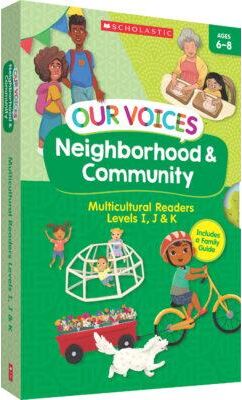
Our Voices: Neighborhood & Community Boxed SetFoster a feeling of belonging while building key reading skills with these colorful storybooks that spotlight a variety of neighborhoods and communities. The 10 charming stories feature characters from different cultural backgrounds who learn about...32,37 $*Shipping: 0,00 $Secure redirect to the provider
-
Nagdi Suleman Discovering Through Death - Beliefs and Practices - Non Fiction - PaperbackTitle:. Discovering Through Death - Beliefs and Practices Condition: BRAND NEW. Format: Paperback Overview:. Discovering Through Death - Beliefs and Practices invites readers into a thoughtful, interdisciplinary exploration of how cultures interpret mortality and mark farewell. This paperback offers clear, accessible prose that unwraps complex ideas without jargon. It examines why societies ritualize death, how mourning shapes communities, and how beliefs influence end-of-life decisions in everyday life. Spanning historical sources and contemporary practices, the book weaves anthropology, religious studies, psychology, and ethics to present a nuanced panorama of dying cultures around the world. Expect concise, well-structured chapters, each accompanied by key terms and reflective prompts that encourage personal engagement rather than passive reading. The author presents case studies—from quiet village rites to urban memorial ceremonies—to illuminate both universal themes and striking differences. For students, caregivers, nurses, clergy, and curious readers, this guide offers practical insights: how rituals provide meaning, how conversations about death improve care, and how to approach sensitive topics with respect. The tone is scholarly yet approachable, never sensational, inviting readers to examine their own beliefs while building empathy for others. Design elements such as boxed sidebars, glossary terms, and reading prompts make it an ideal companion for coursework, reading groups, or solo study. By the final chapter, you’ll have a framework for understanding death not as a distant incident, but as a deeply human process that unites us across cultures. What Makes This Book Stand Out:. Unlike many introductions, Discovering Through Death grounds theory in everyday practice. The author threads cross-cultural comparisons with accessible explanations of ritual meanings, grief processes, and ethical questions around death and dying. It is not a sterile survey; it invites readers to consider how beliefs inform caregiving, policy, and personal decisions. The inclusion of real-world case studies helps readers imagine themselves in different cultural contexts, while digestible summaries at the end of each chapter reinforce learning. A thoughtfully compiled glossary demystifies terms such as eschatology, ritual transition, and bereavement; sidebars offer quick takeaways for students, teachers, or busy professionals. The narrative pace balances curiosity with empathy, encouraging reflective reading and discussion. Whether you’re studying for a course, supporting someone at end of life, or simply seeking a broader understanding of mortality, this book provides a reliable, respectful lens that can be revisited chapter by chapter. Who This Book Is Perfect For:. Perfect for undergraduates and postgraduates studying anthropology, religious studies, sociology, or medical humanities; professionals in palliative care, nursing, social work, and chaplaincy;...99,99 £*Shipping: 0,00 £Secure redirect to the provider
-
What is the difference between joy, happiness, and contentment?
Joy is a deep-seated feeling of inner peace and fulfillment that comes from within, often independent of external circumstances. Happiness is a temporary emotion that arises from positive experiences or events, such as achieving a goal or spending time with loved ones. Contentment, on the other hand, is a state of being satisfied with what one has and feeling a sense of peace and acceptance with one's current situation. While joy and contentment are more long-lasting and stable, happiness is more fleeting and dependent on external factors. **
-
How can one achieve inner peace, balance, and contentment?
One can achieve inner peace, balance, and contentment by practicing mindfulness and self-awareness. This involves being present in the moment, acknowledging and accepting one's emotions, and understanding the root causes of any inner turmoil. Additionally, maintaining a healthy lifestyle through regular exercise, a balanced diet, and sufficient rest can contribute to a sense of well-being. Engaging in activities that bring joy and fulfillment, such as hobbies, spending time with loved ones, and helping others, can also foster inner peace and contentment. Finally, seeking support from a therapist or counselor can provide valuable guidance and tools for managing stress and achieving emotional balance. **
-
What is a faith community and what is the difference between religion and faith community?
A faith community is a group of people who come together to practice and share their beliefs, values, and traditions. It is a place where individuals can find support, guidance, and a sense of belonging based on their shared faith. The difference between religion and a faith community is that religion refers to a specific set of beliefs and practices, often organized around a particular deity or deities, while a faith community is the group of people who come together to practice and share those beliefs and practices. In other words, a faith community is the tangible, human aspect of a religion, where individuals come together to live out their shared faith in community with one another. **
-
What are the beliefs and worship practices of the Orthodox Church?
The Orthodox Church believes in the Holy Trinity, the divinity of Jesus Christ, and the importance of tradition and scripture. Worship practices in the Orthodox Church are centered around the liturgy, sacraments, and prayers. The Eucharist, or Holy Communion, is a central aspect of Orthodox worship, along with the veneration of icons and saints. Fasting, prayer, and confession are also important spiritual disciplines in the Orthodox tradition. **
* All prices are inclusive of VAT and, if applicable, plus shipping costs. The offer information is based on the details provided by the respective shop and is updated through automated processes. Real-time updates do not occur, so deviations can occur in individual cases. ** Note: Parts of this content were created by AI.