Buy baptisten.eu ?
We are moving the project
baptisten.eu .
Are you interested in purchasing the domain
baptisten.eu ?
domain@kv-gmbh.de · 0541-91531010
Buy baptisten.eu ?
How can one find their way back to faith?
Finding one's way back to faith can be a deeply personal journey, but there are some common steps that can help. First, it can be helpful to engage in self-reflection and identify any doubts or questions that may have led to a loss of faith. Seeking out spiritual guidance or counseling from a trusted religious leader or mentor can also provide support and guidance. Additionally, exploring religious texts, participating in religious rituals or practices, and connecting with a faith community can help to rekindle a sense of connection and belief. Ultimately, finding one's way back to faith may involve a combination of introspection, seeking guidance, and actively engaging with one's spiritual beliefs. **
What is a faith community and what is the difference between religion and faith community?
A faith community is a group of people who come together to practice and share their beliefs, values, and traditions. It is a place where individuals can find support, guidance, and a sense of belonging based on their shared faith. The difference between religion and a faith community is that religion refers to a specific set of beliefs and practices, often organized around a particular deity or deities, while a faith community is the group of people who come together to practice and share those beliefs and practices. In other words, a faith community is the tangible, human aspect of a religion, where individuals come together to live out their shared faith in community with one another. **


Similar search terms for Back
Top-Angebote
Products related to Back:
-
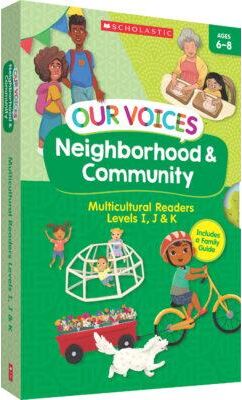
Our Voices: Neighborhood & Community Boxed SetFoster a feeling of belonging while building key reading skills with these colorful storybooks that spotlight a variety of neighborhoods and communities. The 10 charming stories feature characters from different cultural backgrounds who learn about...32,37 $*Shipping: 0,00 $Secure redirect to the provider
-
SSO Back to School Back to School: Kindergarten Learning Value PackThis set includes:Scholastic Early Learners: Get Ready for Kindergarten Jumbo WorkbookScholastic Early Learners: Kindergarten Jumbo WorkbookSmart Practice Workbook: Kindergarten Back to School: Kindergarten Learning Value Pack34,82 $*Shipping: 0,00 $Secure redirect to the provider
-
Nagdi Suleman Discovering Through Death - Beliefs and Practices - Non Fiction - PaperbackTitle:. Discovering Through Death - Beliefs and Practices Condition: BRAND NEW. Format: Paperback Overview:. Discovering Through Death - Beliefs and Practices invites readers into a thoughtful, interdisciplinary exploration of how cultures interpret mortality and mark farewell. This paperback offers clear, accessible prose that unwraps complex ideas without jargon. It examines why societies ritualize death, how mourning shapes communities, and how beliefs influence end-of-life decisions in everyday life. Spanning historical sources and contemporary practices, the book weaves anthropology, religious studies, psychology, and ethics to present a nuanced panorama of dying cultures around the world. Expect concise, well-structured chapters, each accompanied by key terms and reflective prompts that encourage personal engagement rather than passive reading. The author presents case studies—from quiet village rites to urban memorial ceremonies—to illuminate both universal themes and striking differences. For students, caregivers, nurses, clergy, and curious readers, this guide offers practical insights: how rituals provide meaning, how conversations about death improve care, and how to approach sensitive topics with respect. The tone is scholarly yet approachable, never sensational, inviting readers to examine their own beliefs while building empathy for others. Design elements such as boxed sidebars, glossary terms, and reading prompts make it an ideal companion for coursework, reading groups, or solo study. By the final chapter, you’ll have a framework for understanding death not as a distant incident, but as a deeply human process that unites us across cultures. What Makes This Book Stand Out:. Unlike many introductions, Discovering Through Death grounds theory in everyday practice. The author threads cross-cultural comparisons with accessible explanations of ritual meanings, grief processes, and ethical questions around death and dying. It is not a sterile survey; it invites readers to consider how beliefs inform caregiving, policy, and personal decisions. The inclusion of real-world case studies helps readers imagine themselves in different cultural contexts, while digestible summaries at the end of each chapter reinforce learning. A thoughtfully compiled glossary demystifies terms such as eschatology, ritual transition, and bereavement; sidebars offer quick takeaways for students, teachers, or busy professionals. The narrative pace balances curiosity with empathy, encouraging reflective reading and discussion. Whether you’re studying for a course, supporting someone at end of life, or simply seeking a broader understanding of mortality, this book provides a reliable, respectful lens that can be revisited chapter by chapter. Who This Book Is Perfect For:. Perfect for undergraduates and postgraduates studying anthropology, religious studies, sociology, or medical humanities; professionals in palliative care, nursing, social work, and chaplaincy;...99,99 £*Shipping: 0,00 £Secure redirect to the provider



-
Did Muhammad adopt the Bible texts back then?
No, Muhammad did not adopt the Bible texts back then. While it is believed that Muhammad was familiar with the teachings of the Bible and respected the earlier prophets, the Quran, which is the holy book of Islam, is considered by Muslims to be a revelation from God to Muhammad. The Quran contains some similar stories and teachings to the Bible, but it is considered to be a distinct and separate revelation. Muhammad is believed to have received the Quran directly from the angel Gabriel over a period of 23 years. **
-
What are the beliefs and worship practices of the Orthodox Church?
The Orthodox Church believes in the Holy Trinity, the divinity of Jesus Christ, and the importance of tradition and scripture. Worship practices in the Orthodox Church are centered around the liturgy, sacraments, and prayers. The Eucharist, or Holy Communion, is a central aspect of Orthodox worship, along with the veneration of icons and saints. Fasting, prayer, and confession are also important spiritual disciplines in the Orthodox tradition. **
-
What are the beliefs and worship services of the Orthodox Church?
The Orthodox Church believes in the Holy Trinity, the divinity of Jesus Christ, and the importance of tradition and sacraments. Worship services are centered around the Eucharist, or Holy Communion, and include prayers, hymns, and readings from the Bible. The liturgy is highly structured and follows a set order, with a focus on the mystical and spiritual aspects of the faith. The Orthodox Church also places a strong emphasis on icons and the veneration of saints. **
-
How does Jesus Christ save the faith community?
Jesus Christ saves the faith community by offering forgiveness of sins and reconciliation with God through his sacrificial death on the cross. His teachings and example also provide guidance and inspiration for believers to live a life of love, compassion, and service to others. Additionally, his resurrection gives hope for eternal life and victory over death, providing comfort and assurance to the faith community. Through his presence and the work of the Holy Spirit, Jesus continues to transform and empower the faith community to live out their faith and share the message of salvation with others. **


How can one switch from the Orthodox to the Evangelical faith and then back to the Orthodox faith?
Switching from the Orthodox to the Evangelical faith and then back to the Orthodox faith involves a personal spiritual journey. It may involve exploring different beliefs, practices, and communities to find where one feels most connected to their faith. To return to the Orthodox faith, one may seek guidance from Orthodox clergy, engage in prayer and reflection, and participate in the sacraments of the Orthodox Church. Ultimately, the decision to switch back to the Orthodox faith is a deeply personal one that may be influenced by a desire for a deeper connection to the traditions and teachings of the Orthodox Church. **
What are the beliefs and the order of worship of the Orthodox Church?
The Orthodox Church believes in the Holy Trinity, the divinity of Jesus Christ, the importance of the sacraments, and the authority of the Bible and tradition. The order of worship in the Orthodox Church is highly structured and follows a liturgical calendar. It includes prayers, hymns, readings from the Bible, and the celebration of the Eucharist. The church also places a strong emphasis on the use of icons and the veneration of saints. **
Top-Angebote
Products related to Back:
-
William Collins Communion: Finding My Way Back to Faith by J. D. Vance - Non Fiction - HardbackTitle:. Communion: Finding My Way Back to Faith Format: Hardback Overview:. Communion: Finding My Way Back to Faith offers a sober, intimate look at one man’s quiet reawakening. In this non-fiction memoir, J. D. Vance invites readers to walk alongside him as he questions, reconsiders, and ultimately leans into the possibility of belief. The tone is measured, candid, and never sensational, preferring honesty over bravado as Vance confronts doubt, memory, and the stubborn pull of belonging. This is not a headline-driven polemic or a sweeping manifesto; it’s a personal ledger—small moments, big questions, and the slow accumulation of insight that comes from turning toward what one holds most dear. The writing is lucid and plain-spoken, which makes complex ideas approachable for readers who have wrestled with faith at various points in their lives. Whether you come to the book as a seeker, a skeptic, or a longtime admirer of Vance’s work, you’ll find a narrative that respects your intelligence and your time. The hardback edition invites you to linger: a premium, durable format that’s ideal for display on a shelf, for thoughtful gift-giving, or for a quiet, reflective night of reading. Across chapters, the author’s voice remains steady, steadying the reader as it maps a path from question to conviction, or at least toward a more honest understanding of faith’s place in a modern life. What Makes This Book Stand Out:. Where many faith-centered books preach certainty, Communion wears doubt as a companion. Vance writes with the calm intelligence that readers of Hillbilly Elegy will recognize, pairing clear prose with a patient, respectful inquiry into beliefs, traditions, and the forces that shape a person’s faith journey. The book stands out for its willingness to wrestle with difficult questions in a non-judgmental voice, to acknowledge the pull of family, culture, and circumstance, and to present belief not as a finish line but as a continuing conversation with self, community, and the divine. The narrative benefits from its real-world realism: it doesn’t promise instant transformation, but offers incremental progress built on self-honesty, accountability, and compassion. Readers will appreciate the book’s accessibility: it speaks to people who love thoughtful nonfiction, those who are curious about faith’s role in contemporary life, and anyone who has ever looked for meaning beyond success or status. As a standalone work, Communion also appeals to book clubs and discussion groups seeking a meaningful, timely conversation starter on spirituality, resilience, and moral renewal. Who This Book Is Perfect For:. Perfect for adult readers who enjoy memoirs about faith, doubt, and personal reinvention, this book will resonate with fans of J. D. Vance’s previous work as well as readers seeking thoughtful nonfiction about spirituality in the 21st century. It’s ideal for book clubs grappling with questions of belief, belonging, and family dynamics. Gift buyers...20,00 £*Shipping: 2,99 £Secure redirect to the provider
-
J.D. Vance Hillbilly Elegy&Communion:; Finding My Way Back to Faith 2 Books Collection Set by J. D. Vance-Non Fiction - Mixed FormatTitles in This Set:. Communion: Finding My Way Back to Faith. HILLBILLY ELEGY Condition: BRAND NEW. Format: Mixedlot. ISBN: 9784426615161 Overview:. This two-book collection from J. D. Vance brings together two powerful non-fiction titles that illuminate different facets of human experience in modern America. Communion: Finding My Way Back to Faith invites readers on a spiritual journey through Vance’s life across childhood, marriage, fatherhood, and leadership, revealing how his pursuit of worldly success led him into a secular wilderness and how faith ultimately guided his path. Complementing this is Hillbilly Elegy, a memoir of family, resilience, and survival in the face of poverty and social change. Together, these works offer a complete, thought-provoking portrait of endurance, community, and personal transformation. The set is presented in a mixed-format pairing, designed for readers who want a cohesive, cross-cutting exploration of faith, culture, and the American dream. It’s ideal for fans of insightful memoirs, social commentary, and contemporary non-fiction that sparks meaningful conversation. What Makes This Collection Special:. This pairing is more than the sum of its parts. Communion deepens the reader’s understanding of how belief and conscience shape decisions in public life, family dynamics, and daily work, while Hillbilly Elegy provides a piercing examination of intergenerational struggle and the cultural backdrop of the white working class. Together, they offer a holistic reading journey: one book charts a spiritual reinvention, the other traces social and personal upheaval, both anchored by Vance’s clear-eyed, intimate voice. The contrast invites discussion about faith, identity, and the pathways people take to find purpose. The two-book format makes it a compelling gift, a ready-made reading plan for book clubs, and a collectible pairing for readers following Vance’s evolving perspectives. Books Included in This Collection:. Communion: Finding My Way Back to Faith. Communion is a spiritual exploration of what it means to be a Christian in all the seasons of life JD Vance has experienced – as a child, a young man, a husband, a father and a leader. Picking up in some ways where Hillbilly Elegy left off, Communion recounts how Vance's pursuit of material privileges ultimately led him into a secular wilderness. Communion reveals how Vance regained his faith and discusses his conversion to Catholicism, how his faith guides his work in public life, and how it shapes his thoughts about the future.. HILLBILLY ELEGY. In this deeply moving memoir, Vance tells the story of his family’s demons and of America’s problem with generational neglect. How his mother struggled against, but never fully escaped, the legacies of abuse, alcoholism, poverty and trauma. How his grandparents, ‘dirt poor and in love’, gave everything for their children to chase the American dream. How Vance beat the odds to graduate from Yale Law School. And how America...24,99 £*Shipping: 2,99 £Secure redirect to the provider
-
Our Voices: Neighborhood & Community Boxed SetFoster a feeling of belonging while building key reading skills with these colorful storybooks that spotlight a variety of neighborhoods and communities. The 10 charming stories feature characters from different cultural backgrounds who learn about...32,37 $*Shipping: 0,00 $Secure redirect to the provider
-
How can one find their way back to faith?
Finding one's way back to faith can be a deeply personal journey, but there are some common steps that can help. First, it can be helpful to engage in self-reflection and identify any doubts or questions that may have led to a loss of faith. Seeking out spiritual guidance or counseling from a trusted religious leader or mentor can also provide support and guidance. Additionally, exploring religious texts, participating in religious rituals or practices, and connecting with a faith community can help to rekindle a sense of connection and belief. Ultimately, finding one's way back to faith may involve a combination of introspection, seeking guidance, and actively engaging with one's spiritual beliefs. **
-
What is a faith community and what is the difference between religion and faith community?
A faith community is a group of people who come together to practice and share their beliefs, values, and traditions. It is a place where individuals can find support, guidance, and a sense of belonging based on their shared faith. The difference between religion and a faith community is that religion refers to a specific set of beliefs and practices, often organized around a particular deity or deities, while a faith community is the group of people who come together to practice and share those beliefs and practices. In other words, a faith community is the tangible, human aspect of a religion, where individuals come together to live out their shared faith in community with one another. **
-
Did Muhammad adopt the Bible texts back then?
No, Muhammad did not adopt the Bible texts back then. While it is believed that Muhammad was familiar with the teachings of the Bible and respected the earlier prophets, the Quran, which is the holy book of Islam, is considered by Muslims to be a revelation from God to Muhammad. The Quran contains some similar stories and teachings to the Bible, but it is considered to be a distinct and separate revelation. Muhammad is believed to have received the Quran directly from the angel Gabriel over a period of 23 years. **
-
What are the beliefs and worship practices of the Orthodox Church?
The Orthodox Church believes in the Holy Trinity, the divinity of Jesus Christ, and the importance of tradition and scripture. Worship practices in the Orthodox Church are centered around the liturgy, sacraments, and prayers. The Eucharist, or Holy Communion, is a central aspect of Orthodox worship, along with the veneration of icons and saints. Fasting, prayer, and confession are also important spiritual disciplines in the Orthodox tradition. **
Similar search terms for Back
-
SSO Back to School Back to School: Kindergarten Learning Value PackThis set includes:Scholastic Early Learners: Get Ready for Kindergarten Jumbo WorkbookScholastic Early Learners: Kindergarten Jumbo WorkbookSmart Practice Workbook: Kindergarten Back to School: Kindergarten Learning Value Pack34,82 $*Shipping: 0,00 $Secure redirect to the provider
-
Nagdi Suleman Discovering Through Death - Beliefs and Practices - Non Fiction - PaperbackTitle:. Discovering Through Death - Beliefs and Practices Condition: BRAND NEW. Format: Paperback Overview:. Discovering Through Death - Beliefs and Practices invites readers into a thoughtful, interdisciplinary exploration of how cultures interpret mortality and mark farewell. This paperback offers clear, accessible prose that unwraps complex ideas without jargon. It examines why societies ritualize death, how mourning shapes communities, and how beliefs influence end-of-life decisions in everyday life. Spanning historical sources and contemporary practices, the book weaves anthropology, religious studies, psychology, and ethics to present a nuanced panorama of dying cultures around the world. Expect concise, well-structured chapters, each accompanied by key terms and reflective prompts that encourage personal engagement rather than passive reading. The author presents case studies—from quiet village rites to urban memorial ceremonies—to illuminate both universal themes and striking differences. For students, caregivers, nurses, clergy, and curious readers, this guide offers practical insights: how rituals provide meaning, how conversations about death improve care, and how to approach sensitive topics with respect. The tone is scholarly yet approachable, never sensational, inviting readers to examine their own beliefs while building empathy for others. Design elements such as boxed sidebars, glossary terms, and reading prompts make it an ideal companion for coursework, reading groups, or solo study. By the final chapter, you’ll have a framework for understanding death not as a distant incident, but as a deeply human process that unites us across cultures. What Makes This Book Stand Out:. Unlike many introductions, Discovering Through Death grounds theory in everyday practice. The author threads cross-cultural comparisons with accessible explanations of ritual meanings, grief processes, and ethical questions around death and dying. It is not a sterile survey; it invites readers to consider how beliefs inform caregiving, policy, and personal decisions. The inclusion of real-world case studies helps readers imagine themselves in different cultural contexts, while digestible summaries at the end of each chapter reinforce learning. A thoughtfully compiled glossary demystifies terms such as eschatology, ritual transition, and bereavement; sidebars offer quick takeaways for students, teachers, or busy professionals. The narrative pace balances curiosity with empathy, encouraging reflective reading and discussion. Whether you’re studying for a course, supporting someone at end of life, or simply seeking a broader understanding of mortality, this book provides a reliable, respectful lens that can be revisited chapter by chapter. Who This Book Is Perfect For:. Perfect for undergraduates and postgraduates studying anthropology, religious studies, sociology, or medical humanities; professionals in palliative care, nursing, social work, and chaplaincy;...99,99 £*Shipping: 0,00 £Secure redirect to the provider
-
toswini High Back Flannel Office Chair with Folding Back and Reclining FootrestDescription A cushioned executive desk chair with a fold-forward backrest for compact storage. Features: Double-layer resilient foam cushions the seat and back. An integrated headrest and padded armrests provide additional support.475,99 $*Shipping: 0,00 $Secure redirect to the provider
-
What are the beliefs and worship services of the Orthodox Church?
The Orthodox Church believes in the Holy Trinity, the divinity of Jesus Christ, and the importance of tradition and sacraments. Worship services are centered around the Eucharist, or Holy Communion, and include prayers, hymns, and readings from the Bible. The liturgy is highly structured and follows a set order, with a focus on the mystical and spiritual aspects of the faith. The Orthodox Church also places a strong emphasis on icons and the veneration of saints. **
-
How does Jesus Christ save the faith community?
Jesus Christ saves the faith community by offering forgiveness of sins and reconciliation with God through his sacrificial death on the cross. His teachings and example also provide guidance and inspiration for believers to live a life of love, compassion, and service to others. Additionally, his resurrection gives hope for eternal life and victory over death, providing comfort and assurance to the faith community. Through his presence and the work of the Holy Spirit, Jesus continues to transform and empower the faith community to live out their faith and share the message of salvation with others. **
-
How can one switch from the Orthodox to the Evangelical faith and then back to the Orthodox faith?
Switching from the Orthodox to the Evangelical faith and then back to the Orthodox faith involves a personal spiritual journey. It may involve exploring different beliefs, practices, and communities to find where one feels most connected to their faith. To return to the Orthodox faith, one may seek guidance from Orthodox clergy, engage in prayer and reflection, and participate in the sacraments of the Orthodox Church. Ultimately, the decision to switch back to the Orthodox faith is a deeply personal one that may be influenced by a desire for a deeper connection to the traditions and teachings of the Orthodox Church. **
-
What are the beliefs and the order of worship of the Orthodox Church?
The Orthodox Church believes in the Holy Trinity, the divinity of Jesus Christ, the importance of the sacraments, and the authority of the Bible and tradition. The order of worship in the Orthodox Church is highly structured and follows a liturgical calendar. It includes prayers, hymns, readings from the Bible, and the celebration of the Eucharist. The church also places a strong emphasis on the use of icons and the veneration of saints. **
* All prices are inclusive of VAT and, if applicable, plus shipping costs. The offer information is based on the details provided by the respective shop and is updated through automated processes. Real-time updates do not occur, so deviations can occur in individual cases. ** Note: Parts of this content were created by AI.