Buy baptisten.eu ?
We are moving the project
baptisten.eu .
Are you interested in purchasing the domain
baptisten.eu ?
domain@kv-gmbh.de · 0541-91531010
Buy baptisten.eu ?
How do Native American beliefs about the afterlife?
Native American beliefs about the afterlife vary widely among different tribes and cultures. Some believe in a spirit world where the souls of the deceased go to live on, while others believe in reincarnation or a journey to the "land of the dead." Many Native American cultures also believe in the importance of honoring and remembering ancestors through rituals and ceremonies. Overall, the afterlife is often seen as a continuation of life and a connection to the spiritual world. **
What are the beliefs about the afterlife of Jehovah's Witnesses?
Jehovah's Witnesses believe that the afterlife is not a continuation of life in another realm, but rather a period of unconsciousness until the resurrection. They believe that only a select group of 144,000 faithful Christians will go to heaven to rule with Jesus, while the rest of the faithful will be resurrected to live on a paradise Earth. They do not believe in the concept of hell as a place of eternal torment, but rather as a state of non-existence for the wicked. Overall, Jehovah's Witnesses believe in a hope for a future earthly paradise and a resurrection of the faithful. **


Similar search terms for Afterlife
Top-Angebote
Products related to Afterlife:
-
Warner Bros. Beetlejuice Into The Afterlife Throw Pillow 18X18 Inches by THE NORTHWEST GROUP in Beetlejuice (Size OS)"Elevate your home decor with the Beetlejuice ""Into The Afterlife"" Throw Pillow. This striking piece showcases the iconic Beetlejuice sandworm logo set against a sleek black background, creating a bold statement that captures the films signature..."44,99 $*Shipping: 13,98 $Secure redirect to the provider
-
Eben Alexander The Map of Heaven: A neurosurgeon explores the mysteries of the afterlife and the truth about what lies beyondDescription:. Condition: BRAND NEW. Format: Paperback. In The Map of Heaven, Eben recounts the astonishing stories he has heard on his travels, from near-death experiences and encounters with angelic beings to inspiring messages from departed loved ones. Each account helps us to understand just how vast the universe really is. Drawing on these accounts and lessons from religious leaders, philosophers and scientific investigations into the role of consciousness, Eben explores our true place in the universe and what exactly exists beyond death.. Title. The Map of Heaven: A neurosurgeon explores the mysteries of the afterlife and the truth about what lies beyond. Delivery. Content. Reviews99,99 £*Shipping: 0,00 £Secure redirect to the provider
-
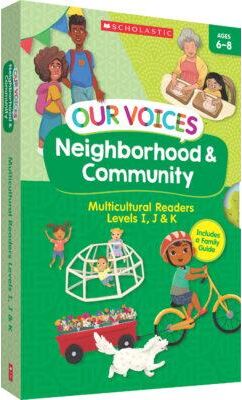
Our Voices: Neighborhood & Community Boxed SetFoster a feeling of belonging while building key reading skills with these colorful storybooks that spotlight a variety of neighborhoods and communities. The 10 charming stories feature characters from different cultural backgrounds who learn about...32,37 $*Shipping: 0,00 $Secure redirect to the provider


-
What beliefs did the Native Americans have about the afterlife?
Many Native American tribes believed in an afterlife that was closely connected to the natural world. They believed that the spirits of the deceased would continue to exist in a spiritual realm, often in a place that mirrored the beauty and abundance of the earthly world. Some tribes believed in a cycle of reincarnation, where the spirit would be reborn into a new body. Additionally, many Native American cultures had specific rituals and ceremonies to honor and guide the spirits of the deceased in their journey to the afterlife. Overall, the beliefs about the afterlife varied among different tribes, but they all shared a deep reverence for the spiritual realm and the interconnectedness of all living beings. **
-
What function do the various beliefs about the afterlife have in religions?
Beliefs about the afterlife serve several functions in religions. They provide comfort and hope to believers, offering the promise of a continued existence beyond death. These beliefs also serve as a moral compass, guiding followers to live virtuous lives in order to secure a positive afterlife outcome. Additionally, the concept of an afterlife can help believers make sense of life's injustices and inequalities by offering the possibility of ultimate justice and reward in the next life. **
-
What function do the different beliefs about the afterlife serve in religions?
Beliefs about the afterlife serve several functions in religions. Firstly, they provide comfort and hope to believers, offering the promise of a continued existence beyond death. Secondly, they serve as a moral and ethical framework, as many religions teach that one's actions in this life will determine their fate in the afterlife. This can encourage believers to live virtuous lives and adhere to the teachings of their faith. Additionally, beliefs about the afterlife can also provide a sense of justice, as they often include the concept of divine judgment and the idea that the righteous will be rewarded while the wicked will be punished. Overall, beliefs about the afterlife play a significant role in shaping the worldview and behavior of adherents within various religious traditions. **
-
In which verse of the Bible is the afterlife described?
The afterlife is described in several verses throughout the Bible, but one of the most well-known is found in the New Testament, in the book of John, chapter 14, verse 2-3. In this verse, Jesus speaks to his disciples and describes the afterlife as a place in his Father's house, where there are many rooms. He tells them that he is going there to prepare a place for them, and that he will come back to take them to be with him. This verse offers comfort and hope to believers, as it describes the promise of eternal life with God in heaven. **


Do people who do not know the Bible go to the afterlife?
The answer to this question depends on one's religious beliefs. In some Christian denominations, it is believed that individuals who have not been exposed to the Bible or the teachings of Christianity may still have the opportunity to go to the afterlife based on their actions and the moral choices they have made. Other religious traditions may have different beliefs about the afterlife and the criteria for entry. Ultimately, the question of who goes to the afterlife is a matter of faith and varies across different religious beliefs. **
Did the Israelite Jews and Christians adopt their beliefs about the afterlife more from Zoroastrianism?
There is evidence to suggest that the Israelite Jews and Christians may have been influenced by Zoroastrianism in their beliefs about the afterlife. Zoroastrianism, which predates both Judaism and Christianity, includes the concept of a final judgment, a dualistic view of good and evil, and the idea of a heavenly paradise and hellish punishment. These concepts bear some resemblance to the beliefs about the afterlife found in Judaism and Christianity. However, it is important to note that the influence of Zoroastrianism on these religions is a topic of debate among scholars, and there are also other potential sources of influence on their beliefs about the afterlife. **
Top-Angebote
Products related to Afterlife:
-
Proof of Heaven: A Neurosurgeon's Journey into the Afterlife by Eben Alexander - Non Fiction - PaperbackTitle:. Proof of Heaven: A Neurosurgeon's Journey into the Afterlife Condition: BRAND NEW. Format: Paperback. ISBN: 9780749958794 Overview:. Proof of Heaven recounts a literal crossing-over: a brain surgeon's journey from a medically plausible coma to a luminous, otherworldly encounter. Dr. Eben Alexander, famed for his rigorous scientific mind, fell into a coma in 2008 due to a rare bacterial meningitis. Brain imaging at the time showed near-total inactivity, and doctors considered the odds of recovery slim. Yet while his cortex lay silent, Alexander's consciousness embarked on a journey beyond the veil. What followed was a vivid, ineffable encounter with a heavenly realm—radiant light, beings of love, and a sense of timeless wisdom that challenges conventional explanations. When he woke, his certainty about the persistence of the soul and the possibility of life beyond death was undeniable. This memoir threads meticulous medical detail with deep spiritual wonder, inviting readers to weigh evidence with experience rather than dogma. It speaks to skeptics and believers alike, offering a bridge between science and faith and a powerful reminder that life may extend beyond what the eye can see. A #1 New York Times bestseller, Proof of Heaven remains a provocative, humane invitation to wonder, gratitude, and living more fully. What Makes This Book Stand Out:. Rooted in the authority of a practising neurosurgeon, Proof of Heaven stands out because it refuses to privilege either science or spirituality. Alexander writes with clinical precision about meningitis, brain activity, and the fragility of consciousness, then guides the reader into an experiential landscape where love and light feel objectively real. The narrative makes a rare claim: that near-death experiences can reveal aspects of reality that medicine cannot easily quantify, yet the retelling never relies on sensationalism. Instead, the book offers accessible explanations, compassionate storytelling, and thoughtful reflections on what constitutes a meaningful life. For readers who crave evidence-based inquiry, the memoir is anchored by verifiable medical detail; for those curious about metaphysical questions, it provides a compelling, emotionally resonant journey. The result is a book that lingers in memory and conversation, inviting conversations about destiny, purpose, and the nature of consciousness across science and faith. Who This Book Is Perfect For:. This book is ideal for readers who enjoy thought-provoking memoirs that sit at the intersection of science and spirituality. It appeals to curious non-fiction readers, medical professionals and students seeking a human lens on illness, loss, and belief, as well as faith-seekers looking for a rigorous account that does not dismiss doubt. Book clubs and discussion groups will value the open-ended questions it raises about consciousness, soul, and personal meaning. Gift buyers will appreciate its universal themes of hope and wonder, while...99,99 £*Shipping: 0,00 £Secure redirect to the provider
-
Warner Bros. Beetlejuice Into The Afterlife Throw Pillow 18X18 Inches by THE NORTHWEST GROUP in Beetlejuice (Size OS)"Elevate your home decor with the Beetlejuice ""Into The Afterlife"" Throw Pillow. This striking piece showcases the iconic Beetlejuice sandworm logo set against a sleek black background, creating a bold statement that captures the films signature..."44,99 $*Shipping: 13,98 $Secure redirect to the provider
-
How do Native American beliefs about the afterlife?
Native American beliefs about the afterlife vary widely among different tribes and cultures. Some believe in a spirit world where the souls of the deceased go to live on, while others believe in reincarnation or a journey to the "land of the dead." Many Native American cultures also believe in the importance of honoring and remembering ancestors through rituals and ceremonies. Overall, the afterlife is often seen as a continuation of life and a connection to the spiritual world. **
-
What are the beliefs about the afterlife of Jehovah's Witnesses?
Jehovah's Witnesses believe that the afterlife is not a continuation of life in another realm, but rather a period of unconsciousness until the resurrection. They believe that only a select group of 144,000 faithful Christians will go to heaven to rule with Jesus, while the rest of the faithful will be resurrected to live on a paradise Earth. They do not believe in the concept of hell as a place of eternal torment, but rather as a state of non-existence for the wicked. Overall, Jehovah's Witnesses believe in a hope for a future earthly paradise and a resurrection of the faithful. **
-
What beliefs did the Native Americans have about the afterlife?
Many Native American tribes believed in an afterlife that was closely connected to the natural world. They believed that the spirits of the deceased would continue to exist in a spiritual realm, often in a place that mirrored the beauty and abundance of the earthly world. Some tribes believed in a cycle of reincarnation, where the spirit would be reborn into a new body. Additionally, many Native American cultures had specific rituals and ceremonies to honor and guide the spirits of the deceased in their journey to the afterlife. Overall, the beliefs about the afterlife varied among different tribes, but they all shared a deep reverence for the spiritual realm and the interconnectedness of all living beings. **
-
What function do the various beliefs about the afterlife have in religions?
Beliefs about the afterlife serve several functions in religions. They provide comfort and hope to believers, offering the promise of a continued existence beyond death. These beliefs also serve as a moral compass, guiding followers to live virtuous lives in order to secure a positive afterlife outcome. Additionally, the concept of an afterlife can help believers make sense of life's injustices and inequalities by offering the possibility of ultimate justice and reward in the next life. **
Similar search terms for Afterlife
-
Eben Alexander The Map of Heaven: A neurosurgeon explores the mysteries of the afterlife and the truth about what lies beyondDescription:. Condition: BRAND NEW. Format: Paperback. In The Map of Heaven, Eben recounts the astonishing stories he has heard on his travels, from near-death experiences and encounters with angelic beings to inspiring messages from departed loved ones. Each account helps us to understand just how vast the universe really is. Drawing on these accounts and lessons from religious leaders, philosophers and scientific investigations into the role of consciousness, Eben explores our true place in the universe and what exactly exists beyond death.. Title. The Map of Heaven: A neurosurgeon explores the mysteries of the afterlife and the truth about what lies beyond. Delivery. Content. Reviews99,99 £*Shipping: 0,00 £Secure redirect to the provider
-
Our Voices: Neighborhood & Community Boxed SetFoster a feeling of belonging while building key reading skills with these colorful storybooks that spotlight a variety of neighborhoods and communities. The 10 charming stories feature characters from different cultural backgrounds who learn about...32,37 $*Shipping: 0,00 $Secure redirect to the provider
-
Nagdi Suleman Discovering Through Death - Beliefs and Practices - Non Fiction - PaperbackTitle:. Discovering Through Death - Beliefs and Practices Condition: BRAND NEW. Format: Paperback Overview:. Discovering Through Death - Beliefs and Practices invites readers into a thoughtful, interdisciplinary exploration of how cultures interpret mortality and mark farewell. This paperback offers clear, accessible prose that unwraps complex ideas without jargon. It examines why societies ritualize death, how mourning shapes communities, and how beliefs influence end-of-life decisions in everyday life. Spanning historical sources and contemporary practices, the book weaves anthropology, religious studies, psychology, and ethics to present a nuanced panorama of dying cultures around the world. Expect concise, well-structured chapters, each accompanied by key terms and reflective prompts that encourage personal engagement rather than passive reading. The author presents case studies—from quiet village rites to urban memorial ceremonies—to illuminate both universal themes and striking differences. For students, caregivers, nurses, clergy, and curious readers, this guide offers practical insights: how rituals provide meaning, how conversations about death improve care, and how to approach sensitive topics with respect. The tone is scholarly yet approachable, never sensational, inviting readers to examine their own beliefs while building empathy for others. Design elements such as boxed sidebars, glossary terms, and reading prompts make it an ideal companion for coursework, reading groups, or solo study. By the final chapter, you’ll have a framework for understanding death not as a distant incident, but as a deeply human process that unites us across cultures. What Makes This Book Stand Out:. Unlike many introductions, Discovering Through Death grounds theory in everyday practice. The author threads cross-cultural comparisons with accessible explanations of ritual meanings, grief processes, and ethical questions around death and dying. It is not a sterile survey; it invites readers to consider how beliefs inform caregiving, policy, and personal decisions. The inclusion of real-world case studies helps readers imagine themselves in different cultural contexts, while digestible summaries at the end of each chapter reinforce learning. A thoughtfully compiled glossary demystifies terms such as eschatology, ritual transition, and bereavement; sidebars offer quick takeaways for students, teachers, or busy professionals. The narrative pace balances curiosity with empathy, encouraging reflective reading and discussion. Whether you’re studying for a course, supporting someone at end of life, or simply seeking a broader understanding of mortality, this book provides a reliable, respectful lens that can be revisited chapter by chapter. Who This Book Is Perfect For:. Perfect for undergraduates and postgraduates studying anthropology, religious studies, sociology, or medical humanities; professionals in palliative care, nursing, social work, and chaplaincy;...99,99 £*Shipping: 0,00 £Secure redirect to the provider
-
HarperCollins The Fellowship of the Ring Book One by J.R.R. Tolkien - Fiction - PaperbackTitle:. The Fellowship of the Ring Format: Paperback Overview:. J.R.R. Tolkien’s masterwork begins here, launching readers into the richly imagined landscape of Middle-earth with a story that fundamentally reshaped the fantasy genre. As Book One of The Lord of the Rings trilogy, this volume follows humble hobbit Frodo Baggins as he inherits an ancient and perilous artefact in the quiet village of Hobbiton. Guided by the wizard Gandalf, Frodo must flee his home and join forces with seven other companions to embark on a hazardous journey toward Mordor. Only someone who forged the cursed ring holds the power to destroy it, making their mission both desperate and vital. Written with meticulous care and profound linguistic depth, this edition brings back one of literature’s most enduring adventures. Packed with sweeping horizons, looming shadows, and moments of quiet wonder, it sets the stage for a sprawling epic that has captivated generations. Whether you are stepping into Tolkien’s realm for the very first time or returning to familiar paths, this paperback delivers the definitive opening chapter in a timeless quest. What Makes This Book Stand Out:. Tolkien’s prose operates at a rare intersection of mythic scale and intimate character study, drawing readers into a world that feels archaeologically real rather than merely invented. The initial chapters establish a deceptively gentle pace before gradually tightening into a harrowing escape across the Shire and beyond. Every forest, river, and mountain carries historical weight, reflecting centuries of invented lore that underpin the central conflict. This standalone volume also excels because it functions as both a complete narrative arc and an indispensable gateway to a larger mythology. Readers who appreciate carefully mapped geographies, intricate political dynamics among Elves, Men, and Dwarves, and themes of courage against overwhelming darkness will find endless richness here. The physical paperback format further enhances the experience, offering a portable yet substantial companion for long journeys while preserving the original text without compromise. Who This Book Is Perfect For:. This edition is ideally suited for first-time fantasy readers seeking a foundational classic, university students analysing modern English literature, and devoted followers revisiting Tolkien’s original vision ahead of any screen adaptations. It appeals strongly to bibliophiles who prefer traditional print bindings over digital formats, allowing natural marginalia and easy navigation through dense descriptive passages. Parents looking for mature crossover fiction that bridges young adult and adult audiences will also find it highly rewarding. Collectors and casual gift-givers benefit from its universal recognition and enduring shelf presence. Ultimately, anyone craving immersive escapism grounded in coherent internal logic and profound moral complexity will discover something deeply satisfying within these pages....8,99 £*Shipping: 2,99 £Secure redirect to the provider
-
What function do the different beliefs about the afterlife serve in religions?
Beliefs about the afterlife serve several functions in religions. Firstly, they provide comfort and hope to believers, offering the promise of a continued existence beyond death. Secondly, they serve as a moral and ethical framework, as many religions teach that one's actions in this life will determine their fate in the afterlife. This can encourage believers to live virtuous lives and adhere to the teachings of their faith. Additionally, beliefs about the afterlife can also provide a sense of justice, as they often include the concept of divine judgment and the idea that the righteous will be rewarded while the wicked will be punished. Overall, beliefs about the afterlife play a significant role in shaping the worldview and behavior of adherents within various religious traditions. **
-
In which verse of the Bible is the afterlife described?
The afterlife is described in several verses throughout the Bible, but one of the most well-known is found in the New Testament, in the book of John, chapter 14, verse 2-3. In this verse, Jesus speaks to his disciples and describes the afterlife as a place in his Father's house, where there are many rooms. He tells them that he is going there to prepare a place for them, and that he will come back to take them to be with him. This verse offers comfort and hope to believers, as it describes the promise of eternal life with God in heaven. **
-
Do people who do not know the Bible go to the afterlife?
The answer to this question depends on one's religious beliefs. In some Christian denominations, it is believed that individuals who have not been exposed to the Bible or the teachings of Christianity may still have the opportunity to go to the afterlife based on their actions and the moral choices they have made. Other religious traditions may have different beliefs about the afterlife and the criteria for entry. Ultimately, the question of who goes to the afterlife is a matter of faith and varies across different religious beliefs. **
-
Did the Israelite Jews and Christians adopt their beliefs about the afterlife more from Zoroastrianism?
There is evidence to suggest that the Israelite Jews and Christians may have been influenced by Zoroastrianism in their beliefs about the afterlife. Zoroastrianism, which predates both Judaism and Christianity, includes the concept of a final judgment, a dualistic view of good and evil, and the idea of a heavenly paradise and hellish punishment. These concepts bear some resemblance to the beliefs about the afterlife found in Judaism and Christianity. However, it is important to note that the influence of Zoroastrianism on these religions is a topic of debate among scholars, and there are also other potential sources of influence on their beliefs about the afterlife. **
* All prices are inclusive of VAT and, if applicable, plus shipping costs. The offer information is based on the details provided by the respective shop and is updated through automated processes. Real-time updates do not occur, so deviations can occur in individual cases. ** Note: Parts of this content were created by AI.